Are Heated Towel Rails Worth It?
If you are planning a bathroom upgrade, you may be wondering, Are Heated Towel Rails Worth It? Heated towel rails have become a popular feature in modern homes because they do more than just warm your towels. They can help reduce moisture, improve bathroom comfort, and add a stylish touch to the space. Many homeowners also like their energy efficiency and practical design. However, the value of a heated towel rail depends on your budget, bathroom size, and heating needs. In this guide, we will explore the benefits, drawbacks, running costs, and whether heated towel rails are truly worth the investment for your home.
What Is a Heated Towel Rail?
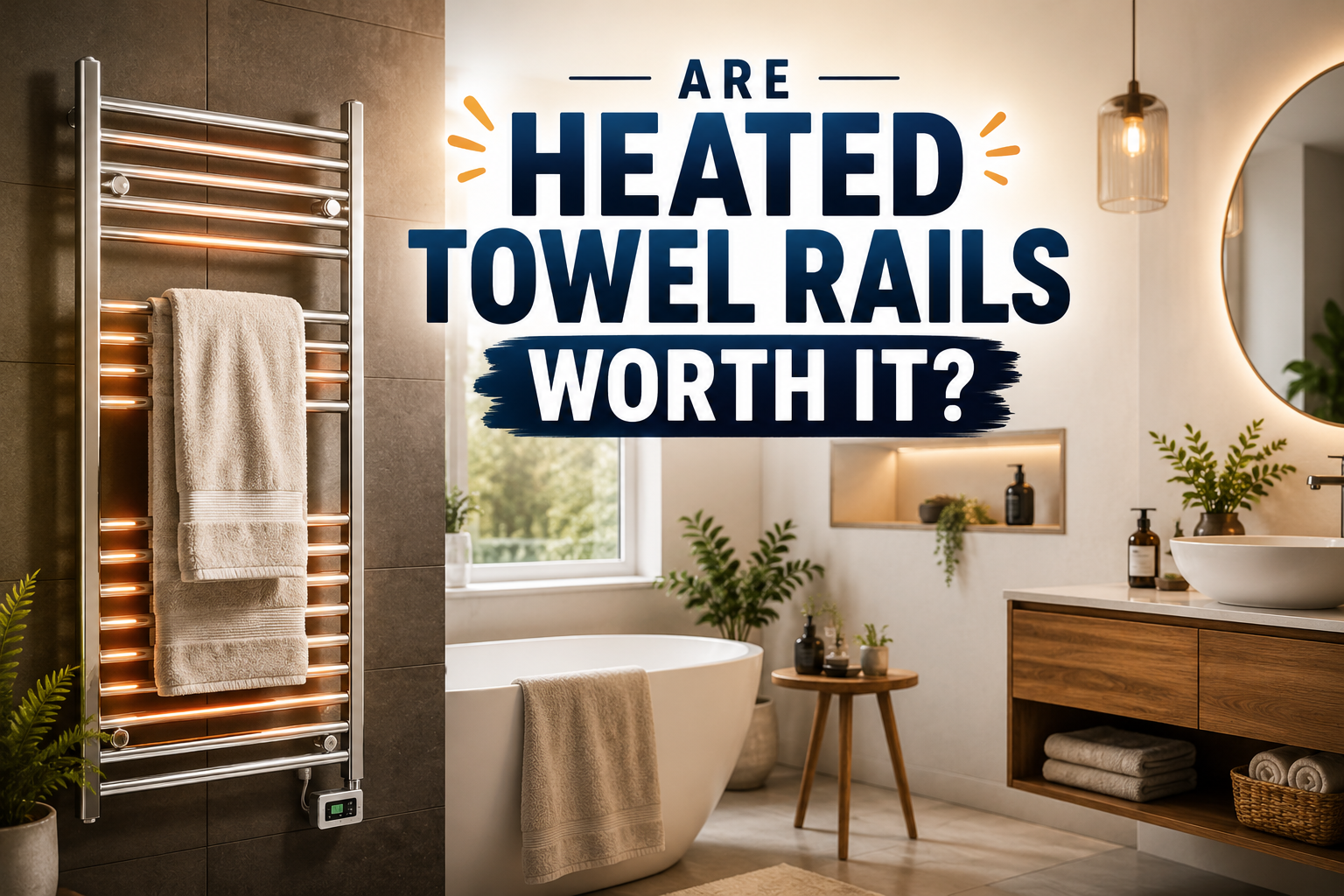
A heated towel rail is a bathroom heating fixture designed to warm and dry towels. It looks similar to a ladder-shaped rack and is usually mounted on the wall. Many people install heated towel rails to make their bathrooms feel warmer and more comfortable, especially during colder months.
These towel rails are now common in modern bathrooms because they combine style and function. Instead of using regular towel bars, homeowners can enjoy warm towels after a shower while also reducing moisture in the room.
Heated towel rails come in different sizes, styles, and finishes, so they can match almost any bathroom design. Some models are simple and practical, while others are designed to add a luxury touch to the space.

How Heated Towel Rails Work
Heated towel rails work by producing heat through electricity or hot water. Once heated, the rails warm the towels placed on them and help them dry faster.
Electric heated towel rails use an internal heating element powered by electricity. They are easy to install and can work independently from the home's main heating system.
Hydronic towel rails are connected to the central heating system. Hot water flows through the rails, similar to a radiator, to generate heat.
Some models also come with timers and thermostats. These features help control temperature and reduce unnecessary energy use.
Different Types of Heated Towel Rails
There are three main types of heated towel rails available today.
Electric Heated Towel Rails
Electric towel rails run on electricity and are popular because they are easy to install. They can be switched on whenever needed, even if the central heating is off. This makes them a good choice for homes in warmer climates where full heating may not always be necessary.
Hydronic Towel Rails
Hydronic towel rails connect directly to the home's heating system. They are often more energy efficient in homes that already use central heating regularly. However, they may not work well during seasons when the heating system is turned off.
Dual Fuel Towel Rails
Dual fuel towel rails combine both electric and hydronic systems. This gives homeowners more flexibility because the towel rail can work with the heating system or independently using electricity.
Common Materials and Finishes
Heated towel rails are available in different materials and finishes to suit various bathroom styles.
Stainless Steel
Stainless steel towel rails are durable and resistant to rust. They are a practical option for bathrooms with high moisture levels.
Chrome
Chrome towel rails are one of the most popular choices because they have a clean and polished appearance. They work well in both modern and traditional bathrooms.
Matte Black and Modern Finishes
Matte black towel rails have become very trendy in recent years. They create a bold and modern look and pair well with contemporary bathroom designs.
What Are the Benefits of Heated Towel Rails?
Heated towel rails offer more than just warm towels. They can improve comfort, reduce moisture, and even make the bathroom look more stylish.
Warm and Dry Towels Every Day
One of the biggest benefits is having warm towels ready after a shower or bath. This small comfort can make a big difference, especially during winter mornings.
Heated towel rails also help towels dry faster. Damp towels can develop unpleasant smells if they stay wet for too long. A heated rail keeps them fresh and dry.
Helps Reduce Moisture and Dampness
Bathrooms often collect a lot of moisture from hot showers and baths. Heated towel rails add gentle heat to the room, which can help reduce dampness and condensation.
This is especially helpful in smaller bathrooms with limited ventilation.
Can Help Prevent Mold and Mildew
Excess moisture can lead to mold and mildew growth. By keeping towels and the bathroom drier, heated towel rails may help lower the chance of these problems developing.
While they are not a complete replacement for proper ventilation, they can still support a healthier bathroom environment.
Adds Comfort and Luxury to the Bathroom
Many homeowners see heated towel rails as a luxury feature. Stepping out of the shower and wrapping yourself in a warm towel feels relaxing and comfortable.
This simple upgrade can make everyday routines feel more enjoyable.
Improves Bathroom Aesthetics
Modern heated towel rails are available in sleek and stylish designs. They can improve the overall appearance of the bathroom while still being practical.
Some people even use them as decorative features in bathroom renovations.
Space-Saving Heating Solution
In smaller bathrooms, heated towel rails can save space because they combine towel storage and heating in one fixture. This makes them useful for compact homes or apartments.
Are Heated Towel Rails Energy Efficient?
Many people worry about energy usage before buying a heated towel rail. The good news is that most modern models are designed to be energy efficient.
How Much Electricity Do Heated Towel Rails Use?
The amount of electricity used depends on the size and type of towel rail. Smaller electric towel rails often use less power than many people expect.
Some models consume about the same amount of electricity as a standard light bulb when used efficiently.
Comparing Running Costs With Traditional Heating
Heated towel rails generally cost less to run than heating an entire bathroom with central heating. They provide focused heat in a smaller area, which can help reduce energy waste.
However, larger towel rails or models left running all day may increase electricity bills over time.
Tips to Improve Energy Efficiency
There are several ways to keep running costs low while still enjoying the benefits of a heated towel rail.
Timers
Using a timer allows the towel rail to turn on only when needed. This prevents unnecessary energy use.
Smart Thermostats
Some modern towel rails include smart thermostats that control temperature automatically. This helps maintain comfort while saving electricity.
Proper Sizing
Choosing the right size is important. A towel rail that is too large for the bathroom may use more energy than necessary. Picking the correct size helps improve efficiency and performance.
Do Heated Towel Rails Actually Heat the Bathroom?
Many people assume heated towel rails work exactly like standard radiators. While they do produce heat, their main purpose is to warm towels and reduce moisture rather than fully heat a large bathroom.
The amount of heat they provide depends on the size, design, and power output of the towel rail. In smaller bathrooms, they can often provide enough warmth to make the room feel comfortable. In larger bathrooms, they may only act as an additional heat source.
Small Bathrooms vs Large Bathrooms
In a small bathroom or ensuite, a heated towel rail can make a noticeable difference in room temperature. Because the space is compact, the heat spreads more easily and helps create a warmer environment.
In larger bathrooms, the heat may not be strong enough to warm the entire room. In these cases, homeowners often use heated towel rails alongside underfloor heating or a traditional radiator.
The insulation of the bathroom also matters. A well-insulated room will hold heat better, allowing the towel rail to work more effectively.
Understanding BTU Output
BTU stands for British Thermal Unit. It measures how much heat a heating fixture can produce.
A higher BTU rating means the towel rail can generate more heat. If you want the towel rail to help warm the bathroom, checking the BTU output before buying is important.
Small towel rails usually have lower BTU ratings and are mainly designed for warming towels. Larger models with wider rails and more bars often produce more heat for the room itself.
Many online BTU calculators can help homeowners choose the right towel rail size based on bathroom dimensions.
When You May Need Additional Heating
There are situations where a heated towel rail alone may not provide enough heat.
For example:
- Large bathrooms may require an extra radiator
- Very cold climates may need stronger heating systems
- Bathrooms with poor insulation can lose heat quickly
If your goal is to fully heat the bathroom during winter, combining a heated towel rail with another heating source is often the best option.
Still, even when used as secondary heating, heated towel rails add comfort and improve the overall bathroom experience.
What Are the Disadvantages of Heated Towel Rails?
Although heated towel rails offer many benefits, they also have some drawbacks. Understanding these disadvantages can help homeowners decide if they are the right choice.
Initial Installation Cost
One of the biggest downsides is the upfront cost. Heated towel rails are usually more expensive than standard towel racks.
The total cost includes:
- Purchasing the towel rail
- Installation charges
- Possible plumbing or electrical work
Dual fuel and designer models can cost even more. For homeowners on a tight budget, this may feel like a luxury rather than a necessity.
Limited Heat Output in Larger Spaces
As mentioned earlier, heated towel rails may struggle to heat large bathrooms effectively.
Some homeowners expect them to perform like full radiators and end up disappointed. Smaller towel rails are mainly designed for warming towels, not heating large spaces.
Choosing the correct size can help, but additional heating may still be necessary in bigger rooms.
Ongoing Energy Costs
Even though many heated towel rails are energy efficient, they still increase electricity or heating bills.
Leaving the towel rail on all day can lead to unnecessary energy use. This is especially true for electric models without timers or thermostats.
The running cost may not be extremely high, but it is still something homeowners should consider before installing one.
Maintenance and Repairs
Like any heating fixture, heated towel rails may require maintenance over time.
Hydronic systems can sometimes develop leaks or trapped air inside the pipes. Electric towel rails may also experience wiring or heating element problems after years of use.
Good-quality models usually last a long time, but cheaper products may require repairs sooner.
Regular cleaning and proper installation can help extend the lifespan of the towel rail.
Are Heated Towel Rails Worth the Cost?
For many homeowners, heated towel rails are worth the investment because they combine comfort, practicality, and style in one feature.
However, whether they are truly worth the cost depends on personal needs, bathroom size, and budget.
Average Purchase Price
The price of heated towel rails varies widely based on size, material, and design.
Basic electric models are often affordable and suitable for smaller bathrooms. Premium designer towel rails with advanced features can cost much more.
In general, homeowners can find options that fit both budget-friendly and luxury bathroom renovations.
Installation Costs
Installation costs depend on the type of towel rail being installed.
Electric towel rails are usually easier and cheaper to install because they do not require connection to the central heating system.
Hydronic and dual fuel systems may involve more plumbing work, which increases labor costs.
Professional installation is recommended to ensure safety and proper performance.
Long-Term Value and Comfort
One reason many people feel heated towel rails are worth it is the daily comfort they provide.
Warm towels during winter feel luxurious and relaxing. The rails also help towels dry faster, reduce moisture, and keep bathrooms fresher.
These small everyday benefits can improve the overall bathroom experience over time.
Do They Increase Home Appeal?
Modern bathrooms are an important selling point for homes. Heated towel rails can make a bathroom look more stylish and high-end.
While they may not dramatically increase property value, they can improve the overall appeal of the space for potential buyers.
In modern home renovations, heated towel rails are often viewed as a practical upgrade rather than just a luxury feature.
Heated Towel Rails vs Traditional Radiators
When choosing bathroom heating, many homeowners compare heated towel rails with traditional radiators. Both options provide warmth, but they serve slightly different purposes.
Understanding the differences can help you choose the best option for your bathroom.
Design and Appearance
Heated towel rails are often considered more stylish than traditional radiators. They come in sleek designs, modern finishes, and space-saving shapes that fit well in contemporary bathrooms.
Traditional radiators are usually larger and more functional in appearance. While modern radiator designs are improving, towel rails generally offer a cleaner and more elegant look.
For homeowners focused on bathroom aesthetics, heated towel rails are often the preferred choice.
Heating Performance
Traditional radiators are usually better at heating large bathrooms because they are designed mainly for room heating.
Heated towel rails produce less heat in comparison, especially smaller models. Their primary purpose is warming towels and reducing moisture.
In compact bathrooms, a heated towel rail may provide enough warmth on its own. In larger spaces, a traditional radiator may perform better.
Energy Consumption
Energy usage depends on the size and type of both heating systems.
Heated towel rails can be more energy efficient for smaller bathrooms because they focus heat in one area. Electric towel rails can also be turned on only when needed.
Traditional radiators connected to central heating may consume more energy if the entire heating system needs to run just to warm the bathroom.
Using timers and thermostats can improve efficiency for both options.
Which Option Is Better for Different Bathroom Sizes?
For small bathrooms, ensuites, or apartments, heated towel rails are often a practical and stylish solution.
For larger family bathrooms, combining a towel rail with a traditional radiator may provide the best balance of comfort and heating performance.
The right choice depends on:
- Bathroom size
- Climate
- Heating needs
- Budget
- Design preference
Who Should Buy a Heated Towel Rail?
Heated towel rails are not essential for every home, but they can be a valuable upgrade for many people.
Best for Cold Climates
In colder regions, heated towel rails can make bathrooms feel much more comfortable during winter.
Stepping out of a hot shower into a cold bathroom is unpleasant. Warm towels help create a more relaxing experience.
Homes in colder climates often benefit the most from this type of heating feature.
Ideal for Modern Bathroom Renovations
Many homeowners install heated towel rails during bathroom remodels because they improve both style and functionality.
Modern towel rails come in many attractive designs that suit luxury and minimalist bathrooms alike.
They can instantly make the bathroom feel more updated and premium.
Great for Families and Daily Use
Families who use multiple towels every day often appreciate heated towel rails because they help towels dry faster.
This can reduce damp smells and keep towels fresher between washes.
Homes with children may especially benefit because wet towels tend to pile up quickly in busy bathrooms.
When It May Not Be Necessary
Heated towel rails may not be necessary for everyone.
For example:
- Homes in warm climates may not need towel warming
- Bathrooms with strong heating systems may already stay warm enough
- Budget-focused renovations may prioritize other upgrades first
In these situations, a regular towel rack may be sufficient.
How to Choose the Right Heated Towel Rail
Choosing the right heated towel rail is important for both comfort and efficiency. The wrong size or type may not perform as expected.
Choosing the Right Size
The size of the towel rail should match the size of the bathroom.
A small towel rail may not provide enough warmth, while an oversized model could waste energy.
Before buying, consider:
- Bathroom dimensions
- Number of towels used daily
- Wall space available
Larger families may need towel rails with more bars for extra towel storage.
Picking the Best Type
There are three main options to choose from:
- Electric
- Hydronic
- Dual fuel
Electric towel rails are ideal for easy installation and independent use.
Hydronic models work well in homes with regular central heating use.
Dual fuel towel rails offer the most flexibility because they can operate with both systems.
Selecting the Right Finish
The finish affects both style and maintenance.
Chrome remains one of the most popular options because it suits most bathroom styles.
Matte black finishes create a bold modern appearance, while stainless steel offers strong durability and resistance to rust.
Choosing a finish that matches existing bathroom fixtures helps create a more balanced design.
Important Features to Look For
Modern heated towel rails often include useful features that improve convenience and energy efficiency.
Timer
A timer allows the towel rail to turn on only during certain hours. This reduces unnecessary energy use.
Thermostat
A thermostat helps maintain a comfortable temperature without overheating.
Energy-Saving Modes
Some advanced models include eco or energy-saving modes that lower electricity consumption while still keeping towels warm.
These features can help reduce long-term running costs while improving overall convenience.
Installation and Maintenance Tips
Proper installation and maintenance are important for keeping a heated towel rail working safely and efficiently.
Professional vs DIY Installation
Some electric towel rails are simple to install, but professional installation is usually recommended.
A qualified electrician or plumber can ensure the system is installed safely and correctly.
Hydronic and dual fuel towel rails often require more complex plumbing work, making professional installation even more important.
Safety Considerations
Bathrooms contain moisture, so safety should always come first.
Make sure:
- The towel rail is installed away from direct water exposure
- Electrical connections meet local safety regulations
- The unit is mounted securely to the wall
Using certified products from trusted brands also improves safety and reliability.
Cleaning and Maintenance Best Practices
Heated towel rails are generally low maintenance.
To keep them in good condition:
- Wipe them regularly to remove dust and moisture buildup
- Avoid hanging overly heavy items on the rails
- Check for leaks or unusual heating issues occasionally
Proper care can help the towel rail last for many years while maintaining its appearance and performance.
Conclusion
Heated towel rails are a practical and stylish addition to modern bathrooms. They keep towels warm, help reduce moisture, and add extra comfort to your daily routine. While they may not fully heat large bathrooms on their own, they still offer great value for many homeowners. Choosing the right size and type can make a big difference in performance and energy efficiency.
If you are looking for high-quality and stylish heated towel rails, explore the latest collection at Living & Bathroom. Their range includes modern designs that can upgrade both the comfort and appearance of your bathroom.
Frequently Asked Questions About Heated Towel Rails
Can heated towel rails stay on all the time?
Yes, many heated towel rails are designed to stay on for long periods. However, using timers or thermostats is more energy efficient and helps reduce electricity costs.
Are heated towel rails expensive to run?
Most modern heated towel rails are relatively affordable to run, especially smaller electric models. Running costs depend on size, usage time, and electricity rates.
Do heated towel rails dry towels properly?
Yes, heated towel rails help towels dry faster by providing gentle heat and airflow around the fabric. This can also reduce damp smells.
Are they safe for small bathrooms?
Yes, heated towel rails are generally safe for small bathrooms when installed correctly by a professional and used according to safety guidelines.
How long do heated towel rails last?
A good-quality heated towel rail can last many years with proper maintenance. Stainless steel models are especially known for durability and resistance to rust.