
Can You Paint a Bathroom Sink?
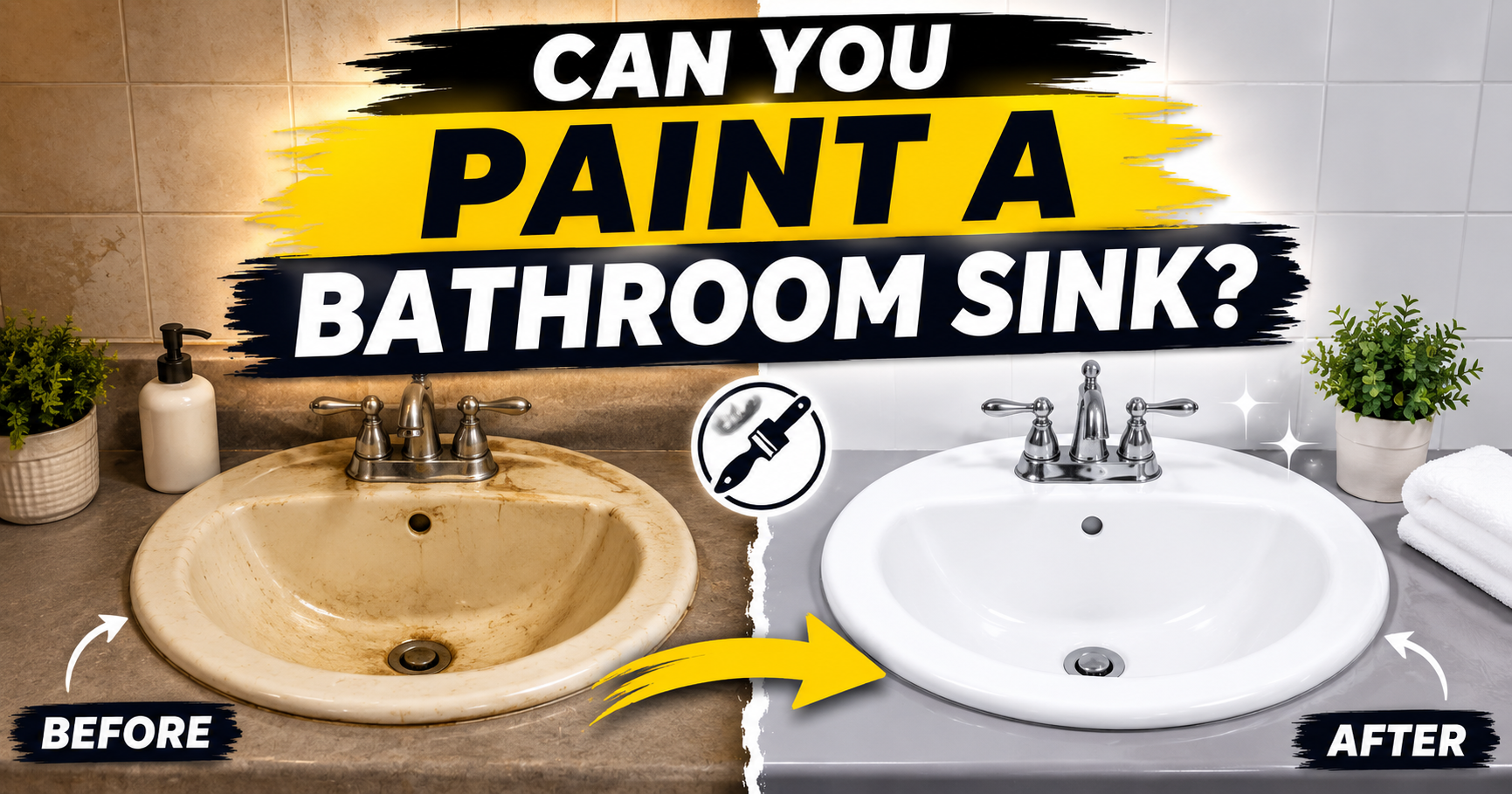
If you're looking for an affordable way to refresh your bathroom, you may be wondering, can you paint a bathroom sink instead of replacing it. The good news is that, in many cases, the answer is yes. Painting a bathroom sink can be a cost-effective way to update an outdated colour, improve the appearance of worn surfaces, and give your bathroom a fresh new look without the expense of a full renovation. However, the success of the project depends on choosing the right materials, preparing the surface properly, and understanding the limitations of painted sinks. In this guide, we'll cover everything you need to know before deciding whether painting your bathroom sink is the right solution.
Can You Really Paint a Bathroom Sink?
The short answer is yes, you can paint a bathroom sink, but the outcome largely depends on the type of sink you have and how well the surface is prepared. Many homeowners choose to paint their sinks as part of a budget-friendly bathroom makeover, especially when the sink is structurally sound but looks outdated or worn.
Modern refinishing products have made it possible to successfully paint certain sink materials and achieve a surprisingly professional-looking finish. Special epoxy paints and appliance coatings are designed to withstand moisture, regular cleaning, and daily use, making them suitable for bathroom environments.

However, painting a bathroom sink is not always the best solution. If the sink has significant cracks, deep stains, severe damage, or structural issues, replacement may be a better long-term investment. Similarly, if you're already planning a full bathroom renovation, upgrading to a new basin may provide greater value and durability.
For homeowners looking to refresh an old sink without spending hundreds of dollars on replacement, painting can be a practical and cost-effective option when done correctly.
Which Sink Materials Can Be Painted?
Not every sink material responds to paint in the same way. Porcelain, ceramic, cultured marble, and some acrylic sinks are commonly refinished using specialised coatings. These materials generally provide a stable surface that allows primers and paints to bond effectively when properly prepared.
On the other hand, certain materials may be more difficult to paint successfully or may require professional refinishing. Understanding your sink material before starting the project is one of the most important steps in achieving long-lasting results.
When Painting Makes Sense
Painting is often a good option when the sink is still in good condition but has cosmetic issues such as fading, minor scratches, discoloration, or an outdated colour. It can dramatically improve the appearance of the bathroom without requiring plumbing modifications or major renovation work.
Homeowners who are preparing a property for sale or updating a guest bathroom often find painting to be a practical short-term improvement that delivers noticeable visual impact at a relatively low cost.
When Replacing the Sink Is a Better Option
There are situations where replacement is the smarter choice. If the sink is cracked, heavily chipped, leaking, or showing signs of significant wear, painting may only provide a temporary cosmetic improvement.
In these cases, investing in a new basin can improve both the appearance and functionality of the bathroom while providing a longer-lasting solution.
Pros and Cons of Painting a Bathroom Sink
Before deciding whether to paint your sink, it's important to understand both the benefits and potential drawbacks. While painting can be an effective way to refresh a bathroom, it may not be the ideal solution for every situation.
Advantages of Painting a Bathroom Sink
One of the biggest advantages of painting a bathroom sink is cost savings. Replacing a sink often involves purchasing a new basin, hiring a plumber, and potentially modifying surrounding fixtures. Painting allows homeowners to achieve a refreshed appearance at a fraction of the cost.
Another benefit is the speed of the project. In many cases, a sink can be cleaned, painted, and cured within a few days, making it a much faster process than a full replacement. This makes painting particularly appealing for homeowners who want visible results without extensive renovation work.
Painting also provides flexibility in terms of design. Instead of being limited to the existing sink colour, homeowners can choose a finish that better complements their vanity, tiles, and overall bathroom style. This can help modernise an outdated bathroom without replacing multiple fixtures.
Additionally, refinishing an existing sink can help extend its useful life. Rather than sending an old sink to landfill, painting allows homeowners to reuse existing fixtures while improving their appearance.
Disadvantages of Painting a Bathroom Sink
Despite its benefits, painting does have limitations. Painted surfaces are generally not as durable as factory-finished sinks. Over time, chips, scratches, and wear may develop, particularly in high-traffic bathrooms.
Proper preparation is also essential. Skipping important steps such as cleaning, sanding, or priming can lead to poor adhesion and premature failure of the finish. Painting a sink is not a project where shortcuts typically produce good results.
Another consideration is curing time. Even after the paint feels dry, it often requires additional time to fully harden and reach maximum durability. Using the sink too soon can damage the finish and compromise the final result.
For homeowners seeking a permanent solution that requires minimal maintenance, replacing the sink may still be the better option.
Also Read: Do Freestanding Vanities Need to Be Mounted?
What Types of Bathroom Sinks Can Be Painted?
Understanding which sink materials can be painted is crucial before starting the project. Different surfaces react differently to coatings, and choosing the right products can significantly influence the final result.
Porcelain Sinks
Porcelain sinks are among the most commonly refinished bathroom fixtures. When properly cleaned, sanded, and primed, porcelain surfaces can accept specialised epoxy coatings that provide a durable and attractive finish.
Because many older bathrooms feature coloured porcelain sinks that no longer match modern design trends, painting can be an effective way to update their appearance.
Ceramic Sinks
Ceramic sinks can also be painted successfully using refinishing products designed for bathroom fixtures. Like porcelain, ceramic requires careful surface preparation to ensure proper adhesion.
A well-executed ceramic sink refinishing project can dramatically improve the appearance of the bathroom while avoiding the cost of replacement.
Fiberglass Sinks
Fiberglass sinks are often easier to paint because they are commonly refinished using products similar to those used on bathtubs and shower surrounds. Proper sanding and priming remain important, but the surface generally responds well to refinishing coatings.
Cultured Marble Sinks
Cultured marble sinks can often be painted successfully when the correct products are used. These sinks are frequently found in older bathrooms and can benefit significantly from a modern refinishing treatment.
Painting cultured marble can help restore a clean and updated appearance while preserving the existing fixture.
Acrylic Sinks
Certain acrylic sinks can also be refinished using specialised coatings designed for plastic-based surfaces. However, adhesion can vary depending on the product and condition of the sink.
Carefully following manufacturer recommendations is essential when working with acrylic materials.
Sink Materials That Should Not Be Painted
While many sink materials can be painted, not every surface is a suitable candidate. Certain specialty materials, heavily damaged surfaces, or sinks with extensive structural issues may not achieve satisfactory results through painting alone.
If you're unsure about your sink material, consulting a professional refinisher or manufacturer can help determine whether painting is a suitable option.
Materials and Tools You'll Need
Before you start painting your bathroom sink, it's important to gather all the necessary materials. Using the right products can make a significant difference in the durability and appearance of the finished result.
Sink Cleaner and Degreaser
The first step is ensuring the sink is completely clean. Soap residue, hard water stains, oils, and dirt can prevent paint from adhering properly. A high-quality cleaner or degreaser will help create a clean surface for the next stages of preparation.
Sandpaper
Light sanding helps roughen the existing finish, allowing primers and paints to bond more effectively. Fine-grit sandpaper is typically used to avoid damaging the sink while still creating enough texture for proper adhesion.
Painter's Tape
Painter's tape helps protect surrounding surfaces such as countertops, walls, tapware, and vanities. Taking the time to mask these areas carefully will result in cleaner lines and a more professional-looking finish.
Epoxy Primer
A quality epoxy primer helps create a strong bond between the sink surface and the paint. This step is especially important for smooth materials such as porcelain and ceramic where adhesion can be challenging.
Epoxy or Appliance Paint
Standard wall paint is not suitable for sinks. Instead, you'll need a specialised epoxy paint or appliance coating designed to withstand moisture, cleaning products, and regular use. These products are specifically formulated for surfaces exposed to water.
Protective Equipment
Because many refinishing products contain strong chemicals, proper safety equipment is recommended. Gloves, safety glasses, and a suitable respirator can help protect you during the painting process. Good ventilation is also essential when working with primers and paints.
How to Paint a Bathroom Sink: Step-by-Step Guide
If you've decided that painting is the right solution for your bathroom sink, following the correct process will greatly improve your chances of achieving a durable and attractive finish.
Step 1: Clean the Sink Thoroughly
Begin by cleaning the sink carefully to remove all traces of dirt, soap scum, grease, and mineral deposits. Any contamination left on the surface can interfere with paint adhesion.
Pay special attention to areas around the drain, overflow openings, and corners where residue often accumulates. Once cleaned, rinse thoroughly and allow the sink to dry completely.
Step 2: Sand the Surface
After cleaning, lightly sand the entire sink surface using fine-grit sandpaper.
The goal is not to remove the existing finish but to create enough texture for the primer to bond effectively. Sand evenly across the entire sink and wipe away any dust with a clean cloth once finished.
Step 3: Repair Any Chips or Cracks
Inspect the sink for small chips, scratches, or minor imperfections.
If necessary, use an appropriate repair filler to address damaged areas before painting. Allow any repairs to cure fully and sand them smooth so they blend with the surrounding surface.
Taking time to correct imperfections before painting will improve the final appearance.
Step 4: Apply Primer
Apply a thin, even coat of epoxy primer according to the manufacturer's instructions.
The primer helps create a strong foundation for the paint while improving durability and adhesion. Depending on the product being used, multiple coats may be recommended.
Allow the primer to dry completely before moving to the next step.
Step 5: Apply the Paint
Once the primer has cured, apply the epoxy or appliance paint in thin, even coats.
Avoid applying heavy coats, as this can cause runs, drips, and uneven curing. Multiple thin coats typically produce a smoother and more professional finish than a single thick coat.
Follow the drying times specified by the manufacturer between coats.
Step 6: Allow Proper Curing Time
Many homeowners make the mistake of using the sink too soon after painting.
While the surface may feel dry within a few hours, most refinishing products require several days to fully cure. During this period, avoid exposing the sink to water, cleaning products, or heavy use.
Patience at this stage is essential for achieving maximum durability.
Step 7: Reinstall Accessories and Use Carefully
Once the paint has fully cured, remove any painter's tape and reinstall accessories if necessary.
For the first few weeks, treat the newly painted surface carefully and avoid abrasive cleaning products. Gentle cleaning methods will help preserve the finish and extend its lifespan.
Common Mistakes to Avoid When Painting a Bathroom Sink
Painting a bathroom sink can deliver excellent results when done correctly, but several common mistakes can lead to disappointing outcomes.
Skipping Surface Preparation
Preparation is arguably the most important part of the entire project.
Failing to clean, sand, or prime the surface properly can result in poor adhesion, peeling paint, and reduced durability. Even the highest-quality paint cannot compensate for inadequate preparation.
Using the Wrong Paint
Not all paints are suitable for bathroom sinks.
Standard household paints are not designed to withstand constant moisture and regular cleaning. Using a specialised epoxy or appliance paint is essential for achieving a durable finish.
Applying Thick Coats
Applying excessive amounts of paint at once can cause drips, uneven coverage, and prolonged drying times.
Multiple thin coats generally provide a smoother appearance and better long-term performance.
Not Allowing Enough Drying Time
Rushing the curing process is one of the most common reasons painted sinks fail prematurely.
Even if the paint feels dry to the touch, it may not have fully hardened. Following the recommended curing period is critical for durability.
Ignoring Manufacturer Instructions
Every primer and paint product has specific application requirements.
Ignoring instructions regarding temperature, drying times, surface preparation, or application techniques can compromise the final result. Always follow the manufacturer's recommendations carefully.
How Long Does a Painted Bathroom Sink Last?
One of the most common questions homeowners ask before refinishing a sink is how long the new finish will last. The answer depends on several factors, including the quality of the products used, the preparation process, and how the sink is maintained after painting.
Factors That Affect Durability
A professionally prepared and properly painted bathroom sink can often maintain its appearance for several years. High-quality epoxy coatings generally provide the best results because they are specifically designed to withstand moisture, cleaning products, and daily use.
The amount of use the sink receives also plays a major role. A guest bathroom sink used occasionally will typically retain its finish much longer than a heavily used family bathroom sink.
Proper surface preparation is another key factor. Sinks that are thoroughly cleaned, sanded, primed, and painted according to manufacturer instructions usually achieve significantly better durability than projects where preparation steps are rushed or skipped.
Proper Maintenance Tips
Maintaining a painted sink is relatively simple but does require some care.
Use non-abrasive cleaning products and soft cloths whenever possible. Harsh scrubbing pads and aggressive chemical cleaners can gradually wear down the painted surface and reduce its lifespan.
It's also a good idea to avoid dropping heavy objects into the sink, as impact damage may chip the coating. Taking a few precautions can help preserve the finish and keep the sink looking attractive for longer.
Signs It's Time to Refinish or Replace
Over time, painted sinks may begin to show signs of wear. Small chips, scratches, fading, or peeling areas can indicate that the finish is reaching the end of its lifespan.
If only minor cosmetic issues are present, refinishing may be sufficient. However, if the sink has significant structural damage or recurring coating problems, replacing the fixture may be the more practical long-term solution.
Alternatives to Painting a Bathroom Sink
While painting can be an effective way to update an old sink, it is not the only option available. Depending on your budget and renovation goals, there may be other solutions worth considering.
Professional Sink Refinishing
Professional refinishing services can often deliver more durable and consistent results than DIY painting projects.
Professionals use specialised equipment and coatings that may not be readily available to homeowners. While this option costs more than a DIY project, it is usually less expensive than replacing the sink entirely.
For homeowners seeking a longer-lasting finish without replacing the fixture, professional refinishing can be a worthwhile investment.
Replacing the Sink
In some situations, replacing the sink may be the most practical solution.
If the existing basin is cracked, heavily stained, outdated, or damaged beyond cosmetic repair, a new sink can provide a completely fresh start. Modern bathroom basins are available in a wide range of styles, shapes, and materials that can significantly improve the appearance of the space.
Although replacement involves a higher upfront cost, it often delivers the longest-lasting results.
Upgrading the Vanity and Basin
If you're already considering painting the sink as part of a larger bathroom refresh, upgrading the vanity and basin together may offer greater value.
A new vanity can transform the overall appearance of the bathroom while improving storage and functionality. Pairing it with a modern basin can create a much more noticeable improvement than painting alone.
Installing a Modern Vessel Sink
Vessel sinks have become increasingly popular in contemporary bathroom design.
Their distinctive appearance creates a stylish focal point while providing an opportunity to completely update the room. For homeowners seeking a dramatic transformation, replacing an old sink with a vessel basin may be a more appealing option than refinishing.
Conclusion
So, can you paint a bathroom sink? In many cases, yes. Painting can be an affordable and effective way to refresh an outdated sink, update its colour, and improve the overall appearance of your bathroom without the cost of a full replacement. However, success depends on choosing the right materials, preparing the surface properly, and allowing adequate curing time. While painting may not be the perfect solution for every sink, it can be a practical option for homeowners looking to extend the life of an existing fixture. If your sink is structurally sound and only needs a cosmetic update, painting could be a worthwhile project that delivers impressive results on a modest budget.
Frequently Asked Questions
Can you paint a porcelain bathroom sink?
Yes, porcelain bathroom sinks can be painted using specialised epoxy primers and paints designed for bathroom fixtures. Proper cleaning and surface preparation are essential for achieving durable results.
What paint works best on a bathroom sink?
Epoxy paint and appliance paint are generally considered the best options for bathroom sinks. These products are specifically formulated to withstand moisture, regular cleaning, and daily use.
How long does painted sink paint last?
A properly painted sink can last several years depending on the quality of the products used, the amount of daily use, and ongoing maintenance. Guest bathroom sinks often retain their finish longer than heavily used family bathroom sinks.
Is painting a sink cheaper than replacing it?
Yes, painting is usually much less expensive than replacing a sink. It can provide a noticeable visual improvement at a fraction of the cost of purchasing and installing a new basin.
Can you paint a sink without sanding?
While it may be technically possible, sanding is strongly recommended. Sanding helps create a surface that allows primer and paint to adhere properly, improving both appearance and durability.