Article: Basin Mixer: How to Choose the Right Tap for Your Bathroom
Basin Mixer: How to Choose the Right Tap for Your Bathroom
Choosing a basin mixer for your bathroom comes down to more than picking a finish you like basin size, installation type, height, water pressure and spout reach all affect whether the tap you choose actually works well in daily use. This guide is for anyone renovating or building a bathroom in Australia who wants a confident, informed decision without needing a trade background. Below, we'll walk through what a basin mixer actually is, how it works, how to match one to your basin, and the checklist to run through before you buy so you end up with a bathroom basin tap that looks right and performs well for years, not just in the showroom.
What Is a Basin Mixer?
A basin mixer is a bathroom tap with a single spout that blends hot and cold water together, controlled by one lever. Turn the handle one way for hot, the other for cold, and anywhere in between for a blended temperature all through the one outlet, rather than juggling two separate taps to find the right mix.

How does a basin mixer work?
Inside the body, a single lever operates a ceramic disc cartridge that controls both flow and temperature at once. Lifting the handle increases flow, and swinging it side to side adjusts the ratio of hot to cold. This single-lever design is what makes basin mixers faster and more intuitive to use than older two-tap setups.
Basin mixer vs. traditional basin taps
Separate hot and cold taps (sometimes called pillar taps or three-piece sets) use two handles and, often, two spouts. They're simple and cheap to replace but slower to get the temperature right, and installing them typically needs two separate tap holes in the basin or benchtop. A basin mixer tap is quicker to use, sits flush against modern vanities through a single hole, and is easier to keep clean since there's only one fitting instead of three. Traditional taps still suit heritage-style bathrooms; a basin mixer suits contemporary and minimalist designs better.
Why Choose a Basin Mixer?
A bathroom basin mixer gives you one-handed operation, precise temperature control, a cleaner look on the vanity, and easier day-to-day cleaning since there's a single fitting rather than three separate ones to wipe around. They're available in a wide range of styles and finishes, which makes matching one to your bathroom design straightforward.

How to Choose the Right Basin Mixer
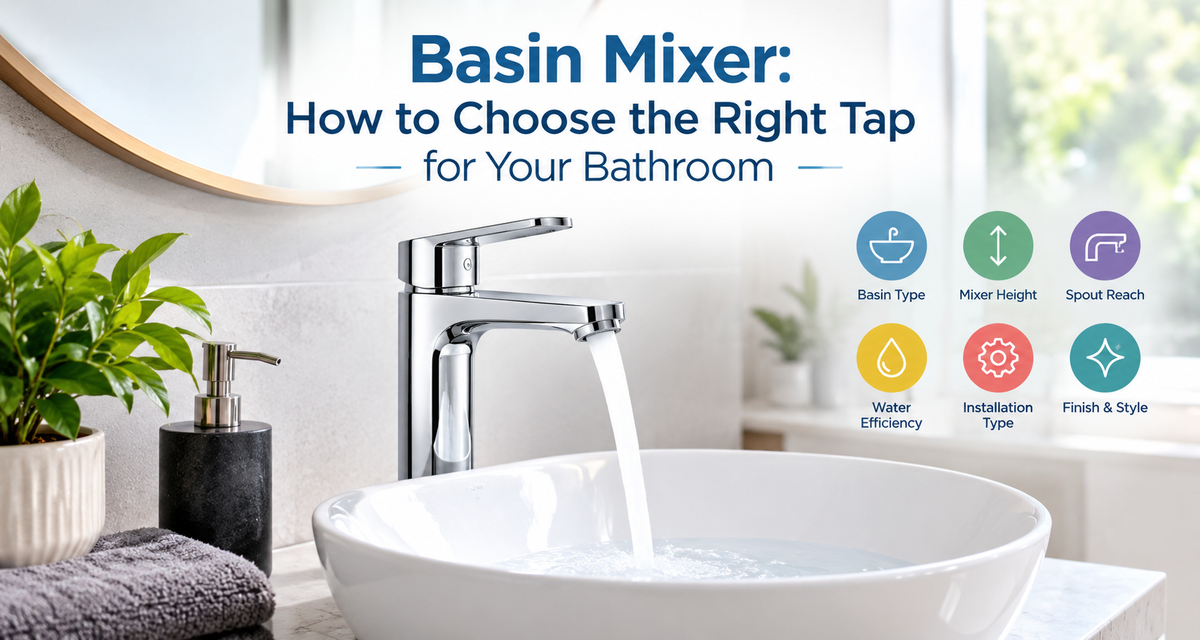
1. Consider your basin type
Standard inset basins, countertop basins, above-counter (vessel) basins, wall-mounted basins and semi-recessed basins all sit at different heights and rim depths, which changes what height mixer will actually work. Above-counter basins in particular usually need extra spout clearance.
2. Choose the right mixer height
This is the most common question buyers ask: what size basin mixer do I need? Standard-height basin mixers suit inset and semi-recessed basins. Tall basin mixers are built for above-counter and vessel basins, where the bowl sits higher and a short spout would sit too close to the rim.
3. Check the spout reach
The water stream should land comfortably inside the basin, not near the front edge or the back wall. Too short a reach causes splashing over the edge; too long pushes water toward the drain awkwardly. Basin depth and spout projection both factor into this.
4. Check your bathroom's water pressure
Low-pressure systems (common in older homes with gravity-fed hot water) need mixers rated for low pressure, while mains-pressure systems have more flexibility. Always check the product specifications rather than assuming any basin mixer will work with any system.
5. Select the right installation type
Deck-mounted mixers sit on the basin or benchtop itself. Wall-mounted mixers install into the wall above the basin, giving a cleaner look but requiring different plumbing rough-in during a renovation. Single-hole installation is the standard for most vanity basins.
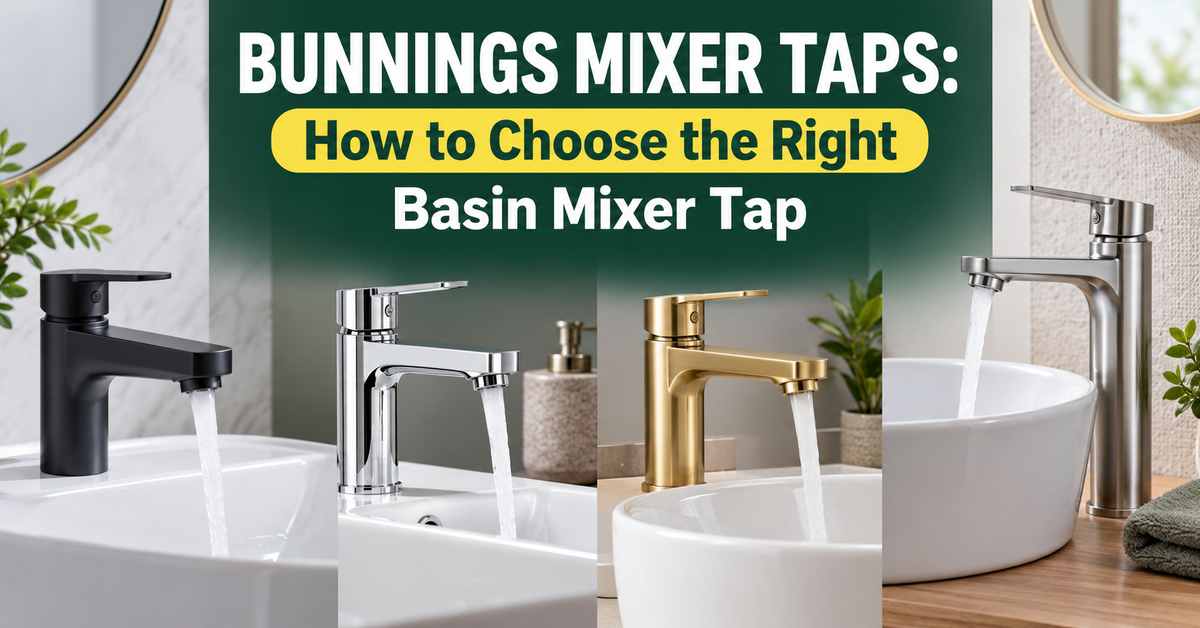
6. Choose a finish that matches your bathroom
Chrome, matte black, brushed nickel, brushed brass, gunmetal and white are the most common options see the comparison table below.
7. Consider water efficiency
In Australia, look for the WELS (Water Efficiency Labelling and Standards) rating, a mandatory star rating that tells you how much water the tap uses per minute. A higher star rating means lower water use without sacrificing pressure the Eden Basin Mixer, for example, carries a 5-star WELS rating alongside Watermark certification, which is the combination worth looking for on any basin mixer tap you're considering.
8. Look at the cartridge
Ceramic disc cartridges give smoother handle operation, better leak prevention, and generally last longer than cheaper alternatives this is one of the biggest differences between a budget and mid-range basin mixer.
9. Check material and build quality
Solid brass bodies with a plated finish resist corrosion better than hollow or lower-grade metal construction, and tend to feel noticeably more solid in daily use.
10. Consider the warranty
Check the warranty period, whether the cartridge is covered separately, and whether replacement parts and after-sales support are easy to access if something goes wrong down the track.

Basin Mixer Finishes Compared
| Finish | Style | Maintenance | Best For |
|---|---|---|---|
| Chrome | Classic | Easy | Most bathrooms |
| Matte Black | Modern | Moderate | Contemporary bathrooms |
| Brushed Brass | Luxury | Moderate | Premium designs |
| Brushed Nickel | Subtle | Easy | Modern or classic bathrooms |
| Gunmetal | Premium | Moderate | Designer bathrooms |
| White | Minimal | Moderate | Light, modern interiors |
Basin Mixer Size Guide
What height basin mixer do I need? Match the mixer to your basin type standard height for inset and semi-recessed basins, tall for above-counter and vessel basins. How far should the spout reach? Water should land in the centre third of the basin, not near an edge. Can you use a tall mixer with a standard basin? Generally not recommended the extra height increases splash risk on a shallower basin.
Basin Mixer Buying Checklist
- Basin type
- Mixer height
- Spout reach
- Installation type
- Water pressure
- WELS rating
- Finish
- Material
- Cartridge quality
- Warranty
- Budget
Common Mistakes to Avoid
Choosing a mixer that's too tall for the basin, ignoring spout reach, skipping the water pressure check, buying on looks alone, ignoring the WELS rating, and picking the cheapest option without checking cartridge quality or warranty are the mistakes that lead to regret purchases. A basin mixer gets used dozens of times a day it's worth getting right the first time.
Popular Basin Mixer Styles
A standard basin mixer suits conventional inset and semi-recessed basins in most family bathrooms. A tall basin mixer is built for countertop and above-counter basins where extra height is needed to clear the rim. A wall-mounted basin mixer gives a clean, minimalist look and suits contemporary bathroom designs where the vanity surface stays completely clear. A waterfall basin mixer releases water in a wide, flat stream and works well as a statement piece in a feature bathroom. Sensor or touchless basin mixers are becoming more common in hygiene-focused spaces like ensuites and powder rooms used by multiple people.
How Much Does a Basin Mixer Cost?
Budget mixers typically use standard cartridges and simpler finishes like chrome, and suit rentals, investment properties or quick refreshes where long-term performance matters less. Mid-range mixers step up to ceramic cartridges, solid brass construction and better WELS ratings this is where most homeowners land for a full bathroom renovation. Premium mixers add designer finishes like brushed brass or gunmetal, longer warranties, and the smoothest handle operation, tested over hundreds of thousands of cycles. They're worth the extra spend if you're renovating for the long term rather than a quick flip, since the cartridge and finish are usually what fail first on cheaper products.
Conclusion
The best basin mixer isn't necessarily the most expensive one it's the one that's compatible with your basin, sits at the right height, reaches the centre of the basin without splashing, suits your water pressure, carries a solid WELS rating, and matches your bathroom's overall style.
Ready to choose yours? Browse our full basin mixer tap Australia range, or explore the wider tapware collection to match your basin mixer with the rest of your bathroom.
Frequently Asked Questions
What is a basin mixer?
A tap with a single spout and lever that blends hot and cold water, replacing the need for two separate taps.
Are basin mixers better than separate taps?
For most modern bathrooms, yes they're faster to use and easier to clean. Separate taps still suit heritage-style designs.
What size basin mixer do I need?
Standard height for inset or semi-recessed basins; tall for above-counter or vessel basins.
What is the best finish for a basin mixer?
Chrome suits the widest range of bathrooms and is easiest to maintain; matte black and brushed brass suit more contemporary designs.
Are basin mixers water efficient?
Look for the WELS rating more stars means better water efficiency without losing pressure.
Can I install a basin mixer myself?
Basic swaps on existing plumbing are sometimes DIY-friendly, but any change to plumbing configuration should be done by a licensed plumber.
Do all basin mixers work with low water pressure?
No always check the manufacturer's specifications, as some basin mixers are designed specifically for mains pressure and won't perform well on a gravity-fed low-pressure system.
How long should a basin mixer last?
A good-quality basin mixer with a ceramic disc cartridge and solid brass body should last well over a decade with normal household use, provided the finish and cartridge are cared for and not exposed to harsh cleaning chemicals.