How do you unblock a kitchen sink
Water that creeps down the drain, or doesn't move at all, is one of the most annoying household problems. The good news is that a blocked kitchen sink is often something you can fix yourself with a few basic tools.
The best way to unblock a kitchen sink is to start simple: clear any visible debris, try hot water and dishwashing liquid, then use a properly sealed sink plunger. If that fails, check the trap or use a drain snake. Kitchen sinks collect grease, food particles and soap residue, which is why a clogged kitchen sink is so common. This guide takes you through the easiest methods first, so you can clear the kitchen sink drain without making things worse.
What Usually Causes a Blocked Kitchen Sink?
Knowing the cause helps you choose the right fix.
Grease, Fat and Cooking Oil
Hot oil looks harmless going down the sink, but it cools and thickens inside the waste pipe. It then coats the pipe walls and traps other debris. Grease and food waste are among the most common reasons a kitchen drain blocks.
Food Scraps and Kitchen Waste
Rice, pasta, vegetable peelings and coffee grounds slip past the plughole and stick to greasy pipe walls. Over time they build into a dense plug.
Soap and General Buildup
Even without a large object in the way, a film of soap and residue can gradually narrow the pipe. This is why a sink can slow down for weeks before it blocks completely.
A Blockage Further Down the Pipe
Sometimes the problem isn't under your sink at all. If simple methods fail, the blockage may sit deeper in the waste pipe or shared drainage line.

How Do You Unblock a Kitchen Sink?
Work from the simplest method to the more involved ones, and avoid reaching for harsh chemicals first.
1. Remove Any Visible Food or Debris
Put on rubber gloves and clear food from around the drain opening. Lift out the strainer or basket and wash it. Sometimes this alone restores normal flow.
2. Try Hot Water and Dishwashing Liquid
Squirt a good amount of dishwashing liquid into the drain, then follow with a kettle of hot water, poured slowly. Wait a minute or two and test the tap. Dishwashing liquid helps loosen greasy residue, and hot water helps carry it along.
Hot water or boiling water: which is better for a kitchen sink?
Hot is the safer choice. Some household waste pipes and joints are plastic (such as PVC), and ceramic or fireclay sinks can be sensitive to sudden temperature changes. Very hot tap water or water that has cooled slightly after boiling is usually enough for greasy buildup. If you're unsure what your pipes are made of, stick with hot rather than boiling, and check the manufacturer's care advice for your sink.
3. Use a Sink Plunger
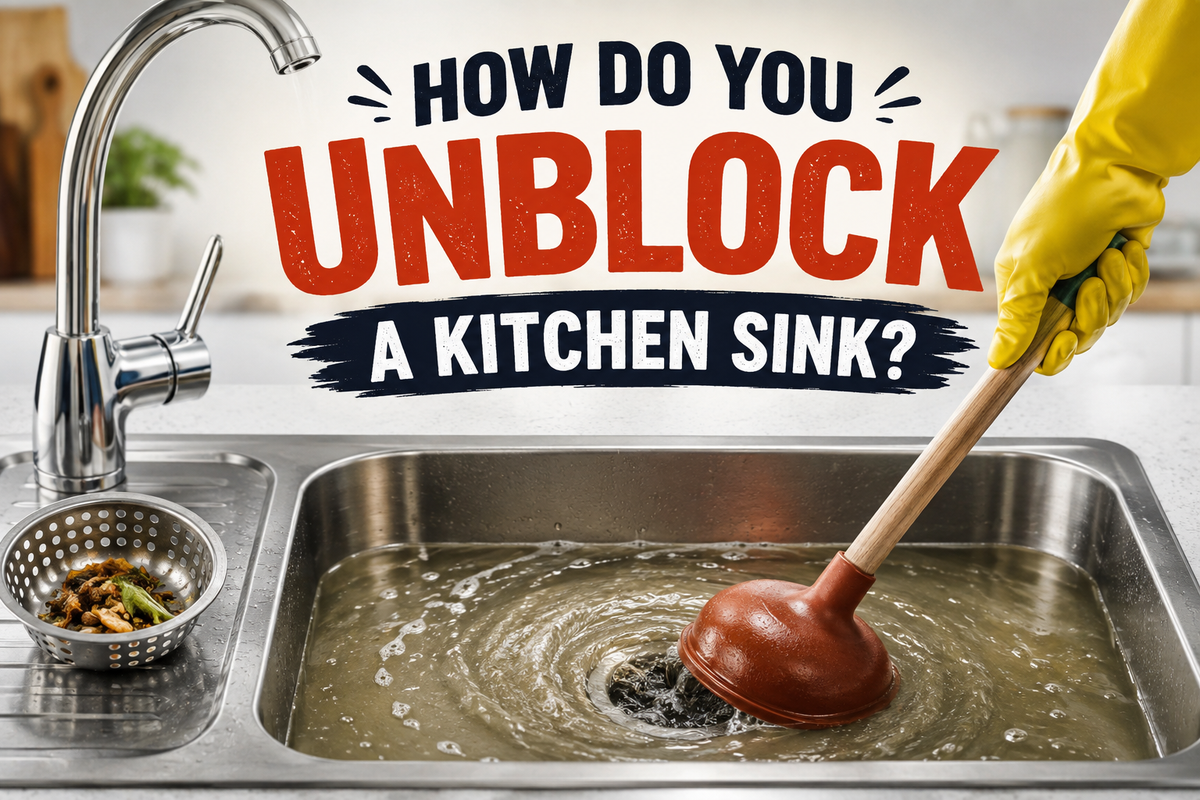
A flat-bottomed sink plunger works best, as it seals better than a toilet plunger.
- Remove excess standing water if the sink is very full, but leave enough to cover the plunger cup.
- Position the plunger directly over the drain.
- Press down gently to create a tight seal.
- If it's a double sink, block the second drain with a wet cloth or stopper.
- Block the overflow opening, if your sink has one, with a damp cloth.
- Plunge firmly up and down several times, keeping the seal.
- Lift the plunger and check whether the water begins draining.
A good seal matters because it lets the pressure act on the blockage rather than escaping. Repeat a few times before moving on.
How to Unblock a Kitchen Sink Without a Plunger
No plunger? There are still options.
Hot Water and Dishwashing Liquid
For mild grease buildup, the method above may be all you need. Repeat it two or three times, leaving a few minutes between attempts.
Clean the Sink Trap
The trap (also called the P-trap or U-bend) is the curved pipe under the sink. It's designed to hold a little water to block sewer odours, but it also collects grease and food particles, so many blockages sit here.
If you're comfortable with basic DIY and your plumbing setup allows it:
- Place a bucket under the trap.
- Loosen the slip nuts by hand, or with pliers if they're tight.
- Remove the trap and empty it into the bucket.
- Rinse it, clear any debris, and refit it.
- Run water and check for leaks.
Expect it to be messy, so wear gloves and keep towels handy.
Try a Drain Snake
A manual drain snake is a flexible coiled wire that you feed into the pipe to break up or hook a blockage beyond the trap. Insert it gently, turn the handle as you feed it in, and stop when you meet resistance. Rotate to catch the blockage, then pull it back slowly. Don't force it, because that can push the clog deeper or damage the pipe.
Does Baking Soda and Vinegar Unblock a Kitchen Sink?
It's the most popular home remedy online, but it deserves a realistic answer. Bicarb soda and vinegar fizz when combined, which can help loosen light residue and freshen a drain. For a mild, greasy buildup it may help. It is not a guaranteed fix for a serious blockage, and plumbing advice on how well it works varies.
If you want to try it, remove standing water, pour in about half a cup of bicarb soda, then add about a cup of white vinegar. Let it fizz for 10–15 minutes, then flush with hot water. Treat it as a light maintenance step, not a substitute for plunging or clearing the trap.

What About Chemical Drain Cleaners?
Many people reach for chemical drain cleaners because they're quick and easy to buy. They aren't necessarily the best first option, though. Some products can be harsh on plumbing, and leftover chemicals sitting in the pipe can be dangerous if you later open the trap or plunge, as splashes can burn skin and eyes.
If you do choose one, follow the product instructions exactly, wear gloves and eye protection, and never mix products. Don't use a chemical cleaner and then try to dismantle the trap straight afterwards. Not every product will damage every pipe, but the safest approach is to try mechanical methods first.
How Do You Know If the Blockage Is More Serious?
Watch for these signs:
- The sink stays completely blocked after the basic methods.
- The blockage keeps returning.
- Water backs up quickly.
- Several drains are affected, such as the laundry or bathroom.
- Water backs up elsewhere in the house.
- You notice sewage smells.
- You hear persistent gurgling.
- The trap is clean but water still won't drain.
When more than one fixture is affected, the problem is probably further along the shared drainage line rather than inside your kitchen sink.
When Should You Call a Plumber?
Professional help makes sense when:
- DIY methods have failed.
- The blockage keeps coming back.
- Multiple fixtures are affected.
- There is sewage backup.
- You suspect a deeper pipe blockage.
- You're not comfortable removing the trap.
- You notice leaks after attempting a repair.
Plumbing rules vary between Australian states and territories, so avoid doing any work that legally requires a licensed plumber. If in doubt, check with your local regulator or a licensed plumber.
How to Prevent Your Kitchen Sink From Blocking Again
Don't Pour Grease and Oil Down the Sink
Let cooking fat cool, then pour it into a sealable container and put it in the general waste bin. Wipe greasy pans with paper towel before washing.
Use a Sink Strainer
A simple strainer catches food particles before they enter the pipe. Check the kitchen accessories range for sink-friendly additions, and empty the strainer after every meal.
Scrape Plates Before Washing
Scraping leftovers into the bin takes seconds and keeps a surprising amount of food out of your pipes.
Be Careful With Coffee Grounds
Coffee grounds clump together in pipe bends and trap other debris. Put them in the bin or compost instead.
Keep the Drain Clean
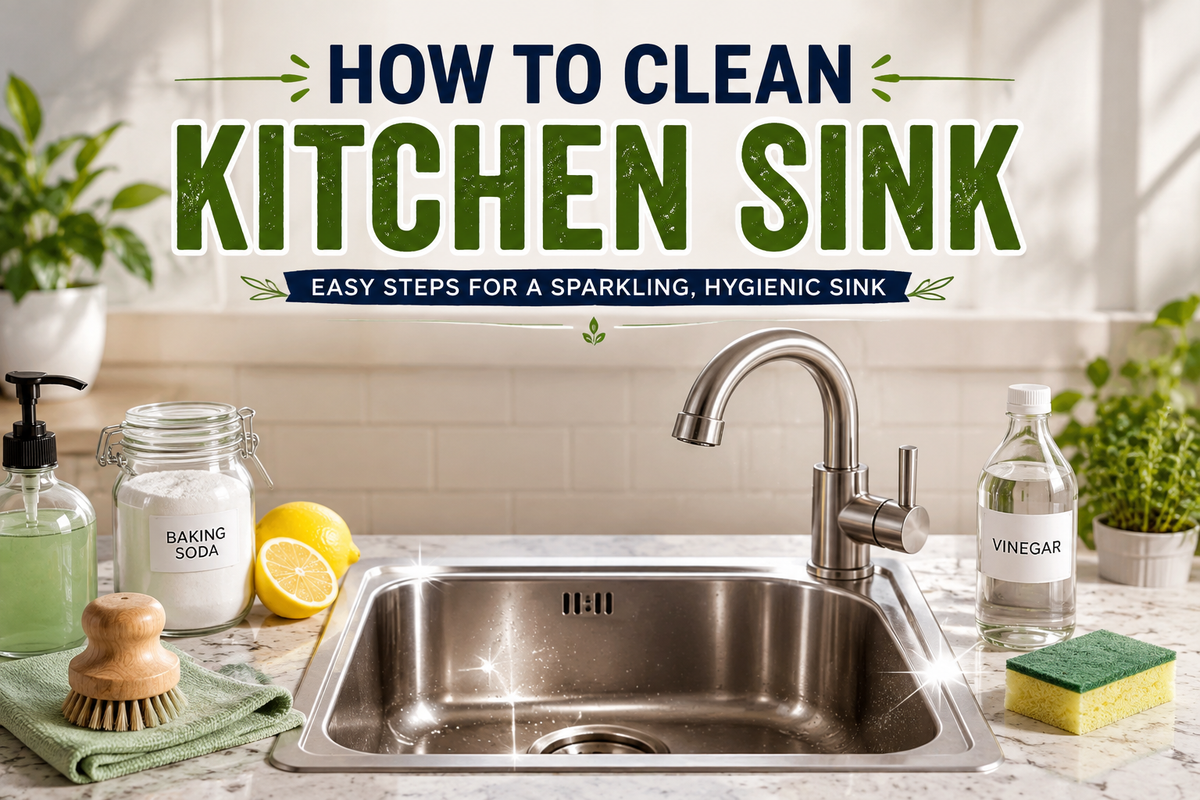
A weekly flush of hot water with a squirt of dishwashing liquid keeps buildup in check without aggressive chemicals. Regularly wiping and cleaning your sink also helps. See our guide on how to clean a kitchen sink for a simple routine.
How Do You Unblock a Kitchen Sink Fast?
If your kitchen sink is blocked, first remove visible debris, then try hot water and dishwashing liquid, followed by a properly sealed sink plunger. If the blockage remains, check the trap and consider a drain snake. If multiple drains are affected or the blockage keeps returning, contact a licensed plumber.
The quick path:
Visible debris → hot water and dishwashing liquid → plunger → trap → drain snake → licensed plumber
Move to the next step only when the previous one hasn't worked.
How Do You Unblock a Double Kitchen Sink?
With a double sink, the two bowls usually share a drain line. Seal the second drain with a wet cloth or stopper while you plunge the blocked bowl, otherwise the pressure escapes through the other side and the plunger can't do its job. If both bowls are blocked, plunge each one in turn with the other sealed. If you're thinking about an upgrade, browse double bowl kitchen sinks or single bowl kitchen sinks.

How Do You Unblock a Kitchen Sink Full of Standing Water?
- Scoop out some of the water with a jug or cup, and tip it into a bucket. Wear gloves, as the water can be dirty.
- Clear any visible debris from the drain opening.
- Plunge with a good seal, as described above.
- Hold off on chemical cleaner if you may need to dismantle the trap later.
If the water still won't go down, move on to the trap or snake, or call a plumber.
Conclusion
The best approach to a blocked kitchen sink is to start with simple methods, work out the likely cause, and avoid making the problem worse. Clear the debris, try hot water and dishwashing liquid, plunge with a proper seal, then check the trap or use a snake. If basic DIY doesn't work, or there are signs of a deeper drainage issue, a licensed plumber is the sensible next step.
If your sink or tap is showing its age, take a look at our kitchen sinks and kitchen tapware at Living and Bathroom.
Frequently Asked Questions
What is the quickest way to unblock a kitchen sink?
Clear visible debris, pour in dishwashing liquid and hot water, then use a sealed sink plunger. This sequence handles most minor blockages in a few minutes without special tools.
How do you unblock a kitchen sink naturally?
Use hot water with dishwashing liquid, or a light bicarb soda and vinegar treatment, to loosen mild greasy buildup. For firmer blockages, a plunger or cleaning the trap is more reliable than natural remedies alone.
Does boiling water unblock a kitchen sink?
It can help with grease, but it isn't always safe. Some pipes and sinks don't cope well with boiling water, so very hot tap water or slightly cooled water from the kettle is the safer option.
Does baking soda and vinegar unblock a sink?
It may help with light residue and odours, but it isn't a dependable fix for a serious blockage. Use it as maintenance, and escalate to plunging or the trap if the sink stays slow.
Why is my kitchen sink still blocked after plunging?
The seal may have been poor, the second drain may not have been blocked, or the clog may be beyond the plunger's reach. Check the trap next, then try a drain snake.
Can I use a drain snake in a kitchen sink?
Yes. A manual snake can reach blockages beyond the trap. Feed it in gently, and stop if you hit resistance you can't work through, as forcing it may damage pipes.
Why does my kitchen sink keep blocking?
Recurring blockages usually come from grease, food waste or soap residue building up again, or from a deeper issue in the pipe. If good habits don't help, ask a licensed plumber to inspect it.
When should I call a plumber for a blocked sink?
Call one if DIY methods fail, the clog keeps returning, several drains are affected, or you notice sewage smells or backups.