How to Choose the Perfect Drainer Board Sink for Your Kitchen Renovation
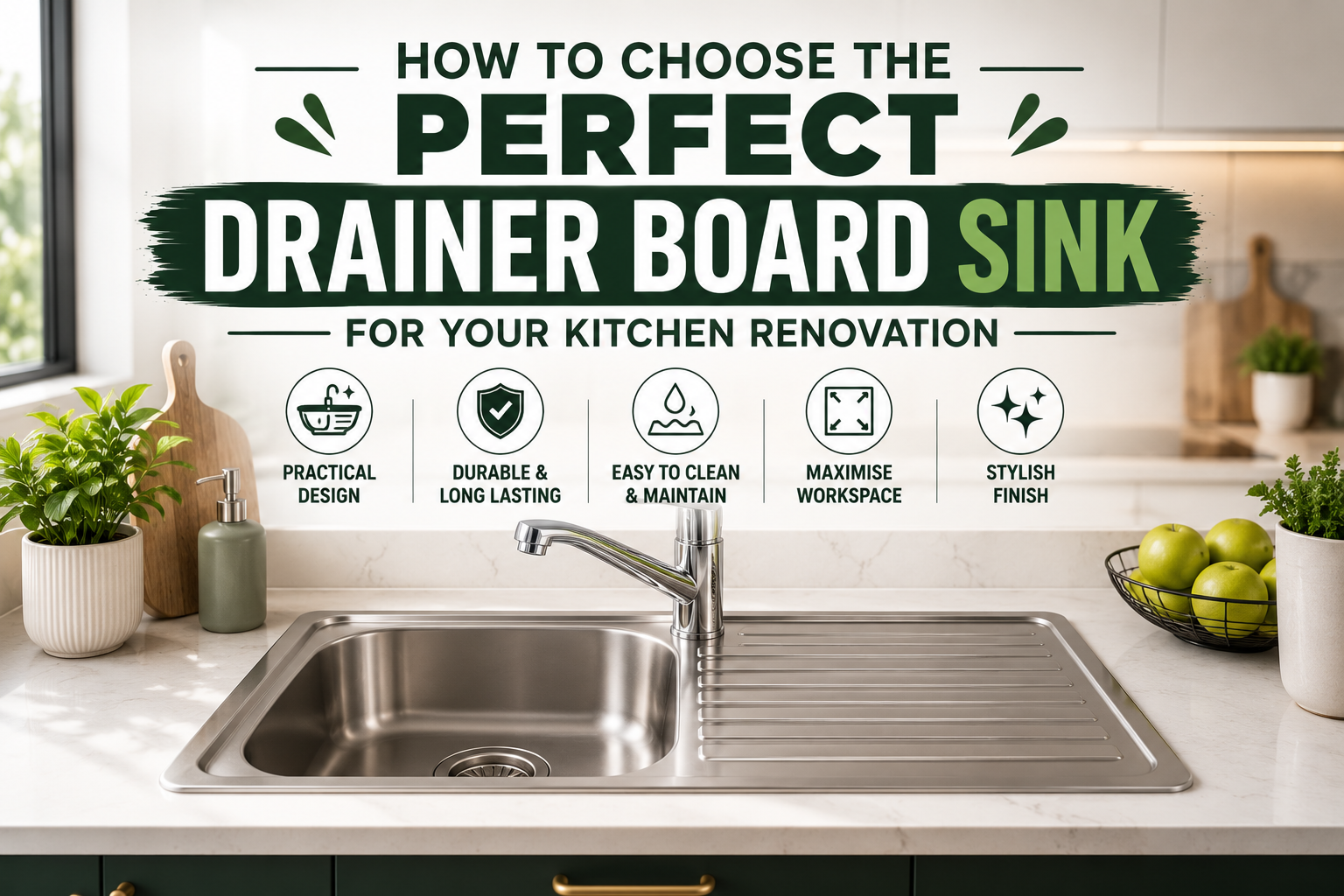
A kitchen renovation is the perfect time to think beyond just looks and choose fittings that make daily life easier. Knowing how to choose the perfect drainer board sink for your kitchen renovation can save you time at the sink every single day. A good drainer board sink gives you built in space for drying dishes, prepping vegetables, and keeping your benchtop dry and organised. With so many materials, finishes, and bowl configurations available, it helps to understand what actually matters before you commit. This guide walks through the key factors so you can choose a sink that fits both your kitchen and your routine.
Why a Drainer Board Sink Is Worth Considering
A drainer board sink combines the main basin with an attached sloped surface for drying dishes or draining washed produce. This means less need for a separate dish rack taking up counter space, and water drains straight back into the bowl instead of pooling on your benchtop. For busy households, this small design change adds up to real time saved during meal prep and cleanup. It also helps keep your kitchen looking tidy, since there is one less loose item cluttering your counter.

Think About Bowl Configuration First
Before looking at finishes or materials, decide whether a single or double bowl setup suits your kitchen. A single bowl gives you one large open space, which works well for washing big pots and trays. A double bowl lets you separate washing and rinsing, or keep dirty dishes on one side while prepping food on the other. If your household cooks often or has a larger family, a double bowl with a drainer can make cleanup much faster since you are not waiting for one basin to clear before starting the next task.
Consider the Material and Finish
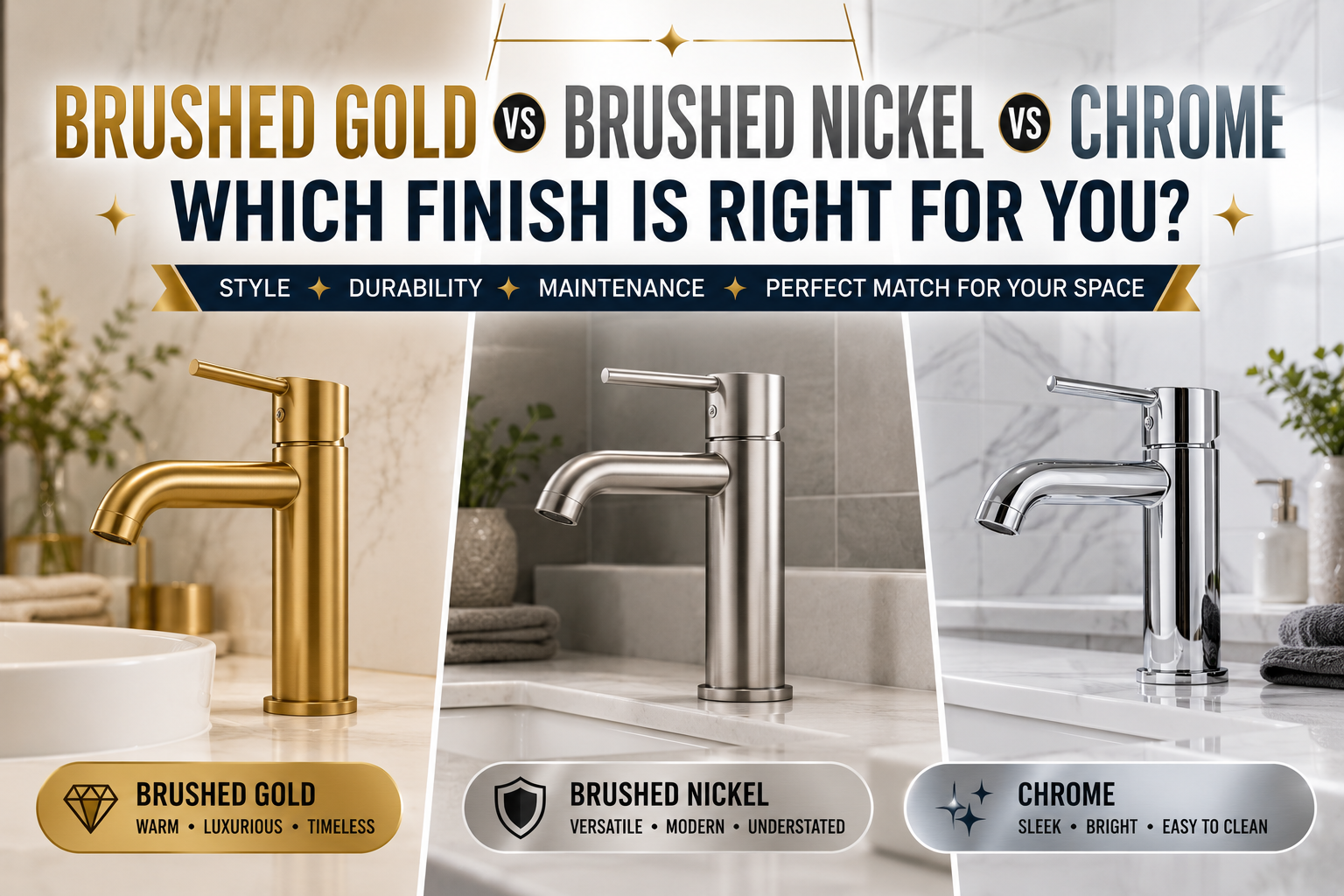
The material of your sink affects both durability and style. Stainless steel is a popular choice because it resists rust, handles heat well, and suits almost any kitchen style. Coated finishes have become more popular in recent renovations, adding a warmer or bolder look compared to plain steel. For example, a 304 Stainless Steel Brushed Gold finish brings a warm, modern tone to the kitchen, while still offering the strength and easy cleaning that stainless steel is known for. If you prefer a slightly different metal tone, a Round Corner Stainless Steel Brushed Brass option offers a similar durability with a richer, more traditional finish that pairs nicely with warm toned cabinetry.
Understand PVD Coating and Why It Matters
Many modern sinks now come with a protective coating applied through a process called PVD, or physical vapour deposition. This coating adds a layer of resistance against scratches, fading, and everyday wear, which matters a lot in a space that gets used multiple times a day. A PVD Coating Single Bowl Kitchen Sink holds its colour and finish far longer than an untreated surface, which means it keeps looking new even after years of daily washing, scrubbing, and hot water use. This is worth asking about if you want your renovation to still look fresh several years down the line.
Granite and Stone Composite Options
If you want a look that feels more natural or textured than metal, granite composite sinks are worth considering. These sinks are made from a mix of granite particles and resin, giving them a matte finish that resists scratches, heat, and stains well. A Granite Double Bowl sink adds a softer, stone like texture to your kitchen while still giving you the practical drainer space for everyday tasks. This option tends to suit kitchens with stone benchtops or a more natural, earthy design direction.
Match the Sink Size to Your Kitchen Layout
Measuring your available space is one of the most important steps before choosing a sink. A sink that is too large can crowd your benchtop and limit prep space, while one that is too small may not fit your existing cabinetry or plumbing setup. Check the cutout size required for installation and compare it to your current benchtop dimensions. If you are renovating from scratch, it also helps to plan the sink placement before finalising your benchtop and cabinetry layout, so everything lines up without last minute adjustments.
Choose the Right Installation Type
Drainer board sinks generally come in a few installation styles, including flush mount, top mount, and undermount. Flush and top mount options sit level with or slightly above the benchtop, which usually makes installation simpler. Undermount sinks sit beneath the benchtop for a seamless look, but they require a benchtop material that supports this style, such as stone or solid surface. Think about which style suits your benchtop material and the overall look you want for your kitchen before finalising your choice.
Think About Depth and Drainage Slope
Bowl depth affects how well the sink handles large pots, trays, and washing tasks without water splashing over the edges. A deeper bowl is generally more practical for family kitchens, while a shallower bowl might suit a smaller or secondary kitchen space. The slope of the drainer board also matters, since a well designed slope directs water back into the bowl efficiently rather than letting it sit and pool, which helps keep your benchtop dry and reduces water marks over time.
Plan for Tapware and Accessories
Your sink does not work in isolation. Think about how it will pair with your tap, whether that is a standard mixer or a pull out style for extra flexibility when rinsing large items. Many drainer board sinks also come with useful extras like a bottom tray to protect the basin from scratches, or a matching waste strainer. Planning your tapware and accessories alongside your sink choice helps you avoid mismatched finishes or awkward gaps once installation is complete.
Set a Realistic Budget
Prices for drainer board sinks vary depending on material, finish, and size, so it helps to set a budget range before you start comparing options. Stainless steel options are generally more affordable, while coated finishes and granite composite sinks tend to sit at a higher price point due to the extra manufacturing process involved. Balancing your budget with the features that matter most to your household, such as bowl size or finish durability, will help you get the best value for your renovation.
Conclusion
Choosing the right drainer board sink comes down to understanding your household's daily habits and matching them with the right bowl configuration, material, and finish. Think about how you cook and clean, measure your space carefully, and choose a finish that will hold up well over time. With the right sink in place, your kitchen renovation will not just look better, it will also make everyday tasks noticeably easier.
Frequently Asked Questions
What is the benefit of a drainer board sink over a standard sink?
A drainer board sink gives you built in space for drying dishes and draining produce, reducing the need for a separate dish rack on your benchtop.
Is stainless steel or granite composite better for a kitchen sink?
Stainless steel is durable and easy to clean, while granite composite offers a more textured, natural look with good scratch and heat resistance. Both work well depending on your kitchen style.
What does PVD coating mean for a kitchen sink?
PVD coating adds a protective layer that helps resist scratches and fading, keeping the sink's finish looking newer for longer.
Should I choose a single or double bowl sink?
A single bowl works well for washing large items, while a double bowl is better for households that want to separate washing and prep tasks.
Do drainer board sinks work with undermount installation?
Yes, many drainer board sinks support undermount installation, though this depends on having a suitable benchtop material such as stone.