
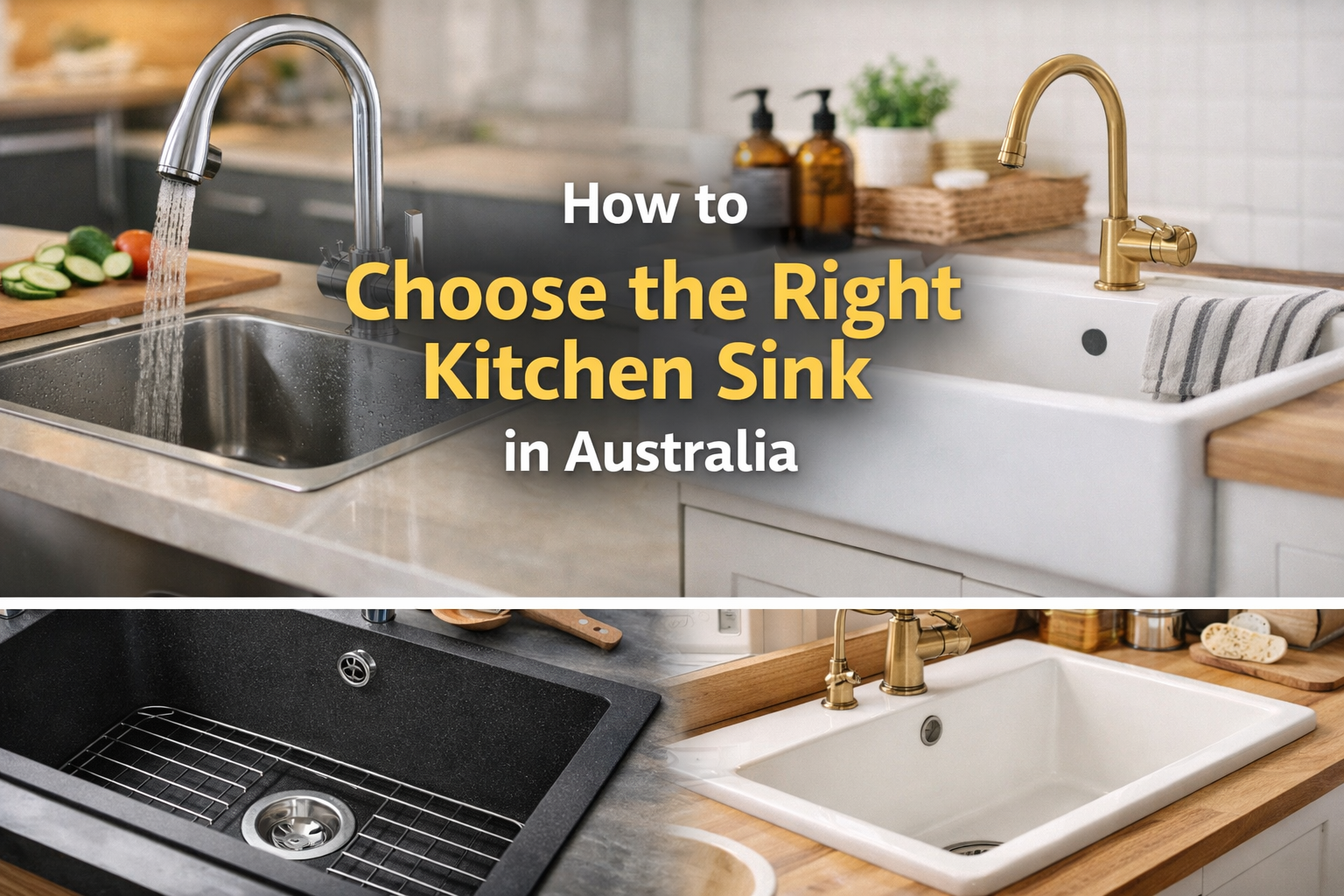
How to Choose the Right Kitchen Sink in Australia
Choosing the perfect kitchen sink is more important than many homeowners realize. If you’re wondering How to Choose the Right Kitchen Sink in Australia, it’s essential to consider factors like kitchen size, material durability, installation style, and daily usage needs. With various options available stainless steel, granite, ceramic, single bowl, double bowl, and more making the right decision can feel overwhelming. The right kitchen sink not only improves functionality but also enhances your kitchen’s overall design. In this guide, you’ll learn the key factors to consider so you can confidently select a sink that suits your Australian home and lifestyle.
Why Choosing the Right Kitchen Sink Matters in Australian Homes
A kitchen sink is one of the most frequently used fixtures in any home. From washing dishes and preparing food to cleaning vegetables and filling pots, it plays a central role in daily kitchen tasks. That’s why understanding How to Choose the Right Kitchen Sink in Australia is essential for both functionality and long-term satisfaction.
Australian kitchens vary widely in size and style from compact apartment kitchens to spacious open-plan designs. The sink you choose must match your available bench space, cabinet configuration, and plumbing setup. Beyond practicality, the kitchen sink also contributes to the overall aesthetic of your kitchen. A well-chosen sink can elevate modern, minimalist, coastal, or farmhouse-style interiors.
Durability is another key factor. Australian households often prioritize long-lasting, low-maintenance materials that can withstand heavy daily use. Choosing the wrong sink may lead to scratches, stains, noise issues, or premature wear.
By selecting the right size, material, and installation style, you ensure better workflow, improved hygiene, and enhanced visual appeal. A kitchen renovation or upgrade is an investment, and the sink should complement both your lifestyle and the unique demands of Australian living conditions.
Understanding Different Types of Kitchen Sinks
Before deciding which sink is best, it’s important to understand the different types available in the Australian market. Each type offers specific advantages depending on kitchen layout and usage needs.
Top-Mount (Drop-In) Sinks
Top-mount sinks are installed from above the countertop, with the edges resting on the surface.
-
Easy to install
-
Budget-friendly
-
Compatible with most benchtop materials
They are a practical choice for renovations where replacing the countertop is not planned.
Undermount Sinks
Undermount sinks are installed beneath the benchtop, creating a seamless look.
-
Modern and stylish appearance
-
Easy countertop cleaning
-
Ideal for stone or engineered surfaces
They are popular in contemporary Australian kitchens.

Farmhouse (Apron-Front) Sinks
These sinks feature a visible front panel and deeper basin.
-
Large capacity
-
Strong visual statement
-
Great for busy family kitchens
They work especially well in country-style or Hamptons-inspired homes.
Single vs Double Bowl Sinks
-
Single bowl: More space for large pots and trays
-
Double bowl: Better multitasking for washing and rinsing
Choosing the right sink type depends on cooking habits, family size, and available space.
Choosing the Right Kitchen Sink Material
Material selection is one of the most important decisions when learning How to Choose the Right Kitchen Sink in Australia. The material affects durability, maintenance, appearance, and cost.
Stainless Steel Sinks
Stainless steel kitchen sink is the most popular choice in Australian homes.
-
Durable and rust-resistant
-
Lightweight and affordable
-
Easy to clean
Look for 304-grade stainless steel for better corrosion resistance.
Granite Composite Sinks
Granite sinks offer a premium, modern finish.
-
Highly durable and scratch-resistant
-
Heat-resistant
-
Available in multiple colours
They suit contemporary and designer kitchens.
Ceramic (Fireclay) Sinks
Ceramic sinks are known for their smooth, glossy finish.
-
Classic and elegant appearance
-
Stain-resistant
-
Heavy and durable
They are ideal for traditional and farmhouse kitchens.
Quartz Composite Sinks
Quartz composite sinks provide a balance between strength and style.
-
Resistant to chips and scratches
-
Modern look
-
Low maintenance
When selecting a material, consider daily usage, cleaning habits, water quality, and budget. The right material ensures your kitchen sink remains functional and visually appealing for years to come.
Selecting the Right Kitchen Sink Size and Depth
Choosing the correct sink size is just as important as selecting the material or style. When learning How to Choose the Right Kitchen Sink in Australia, you must consider available cabinet space, benchtop dimensions, and your daily kitchen habits.
Start by measuring your base cabinet. Most Australian kitchen cabinets are 600mm, 800mm, or 900mm wide. Your sink must fit comfortably within this space while allowing room for plumbing and accessories underneath.
Depth is another crucial factor. Deeper sinks (200–250mm) are ideal for washing large pots, trays, and pans without splashing. However, very deep sinks may cause discomfort if the height isn’t ergonomically suitable. A moderate depth often balances comfort and functionality.
For smaller kitchens or apartments, a compact single-bowl sink may maximize workspace. Larger family kitchens can benefit from wide single bowls or double-bowl designs for multitasking.
Choosing the right size ensures efficient workflow, reduced water splashing, and long-term comfort in everyday use.
Installation Style and Benchtop Compatibility
The installation method you choose affects both appearance and practicality. Different benchtop materials in Australian homes—such as laminate, stone, timber, or engineered quartz—require specific sink installation types.
Top-Mount Installation
Top-mount sinks are suitable for laminate and budget-friendly benchtops. They are easier to install and replace, making them a practical choice for renovations.
Undermount Installation
Undermount sinks are best paired with stone, granite, or engineered quartz surfaces. They create a seamless look and allow crumbs and water to be wiped directly into the sink.
Flush-Mount Installation
Flush-mounted sinks sit level with the benchtop surface, offering a sleek and modern finish. This style requires precise installation and works best with solid surface materials.
Before deciding, confirm that your benchtop material can support your preferred installation type. Professional installation is often recommended to ensure proper sealing and compliance with Australian plumbing standards.
Kitchen Sink Features and Accessories to Consider
Modern kitchen sinks offer more than just a basin. If you're exploring How to Choose the Right Kitchen Sink in Australia, consider additional features that enhance convenience and efficiency.
Soundproofing Technology
Quality stainless steel sinks often include sound-deadening pads to reduce noise from running water and dishwashing.
Drainboard Options
Some sinks include built-in drainboards, which are helpful in smaller kitchens without much bench space.
Integrated Accessories
Premium sinks may come with:
-
Cutting boards
-
Colanders
-
Drying racks
-
Basket strainers
These features improve food preparation workflow and keep countertops organized.
Water Efficiency and Compatibility
Ensure your sink works well with Australian-standard taps and water-saving fixtures. Compatibility with mixer taps, pull-out sprays, or filtered water systems is also important.
Choosing the right features can significantly improve daily kitchen functionality and enhance overall efficiency.
Budget Considerations When Choosing a Kitchen Sink
Budget plays a major role when deciding How to Choose the Right Kitchen Sink in Australia. Kitchen sinks are available at a wide range of price points, depending on material, brand, size, and features.
Basic stainless steel top-mount sinks are typically the most affordable option and work well for budget renovations or rental properties. Mid-range options include higher-grade stainless steel, granite composite, or double-bowl designs. Premium sinks—such as fireclay farmhouse sinks or designer granite models—can cost significantly more due to durability and aesthetics.
When setting your budget, consider more than just the sink itself. Installation costs, plumbing adjustments, tapware compatibility, and benchtop modifications can add to the total expense. Undermount or flush-mount sinks may require professional installation, which increases costs.
Investing in a durable, high-quality sink can save money in the long run by reducing maintenance issues and replacement needs. A well-chosen kitchen sink should balance cost, functionality, and long-term performance.
Australian Plumbing Standards and Compliance
When installing a kitchen sink in Australia, it’s essential to follow local plumbing regulations and building codes. Compliance ensures safety, proper drainage, and long-term reliability.
Australian plumbing systems require appropriate waste connections, water flow management, and certified fittings. If your sink installation involves relocating plumbing or modifying cabinetry, hiring a licensed plumber is strongly recommended.
Water efficiency is also important in Australian households. Pairing your sink with WELS-rated taps and water-saving fixtures supports sustainable water usage and reduces utility costs.
Additionally, consider compatibility with garbage disposal units, water filtration systems, or dishwasher connections if applicable. Ensuring compliance with Australian standards helps avoid costly repairs and guarantees a safe, efficient kitchen setup.
Maintenance and Cleaning Tips for Long-Lasting Performance
Proper maintenance extends the lifespan of your kitchen sink and keeps it looking new. Different materials require specific care routines.
Stainless steel sinks should be cleaned regularly with mild detergent and a soft cloth to prevent water spots and scratches. Avoid harsh chemicals that may damage the surface.
Granite and quartz composite sinks are resistant to scratches and stains but should still be wiped dry to prevent mineral buildup.
Ceramic sinks are easy to clean but may chip if heavy cookware is dropped into them. Gentle cleaning products help preserve their glossy finish.
Regularly checking seals and drainage connections also prevents leaks and water damage. A simple maintenance routine ensures your sink remains functional and visually appealing for years.
Common Mistakes to Avoid When Choosing a Kitchen Sink
Many homeowners focus only on design and overlook practical considerations. Avoid these common mistakes when learning How to Choose the Right Kitchen Sink in Australia:
-
Choosing a sink that is too large for your cabinet space
-
Ignoring depth and ergonomics
-
Selecting incompatible installation styles for your benchtop
-
Overlooking plumbing requirements
-
Prioritizing price over durability
Taking time to measure accurately and consider long-term use helps prevent costly regrets.
Final Checklist: How to Choose the Right Kitchen Sink in Australia
Before making your final decision, review this quick checklist:
-
✔ Measure your cabinet and benchtop space
-
✔ Choose between single or double bowl
-
✔ Select a durable material suited to your needs
-
✔ Confirm installation compatibility
-
✔ Consider additional features and accessories
-
✔ Ensure compliance with Australian plumbing standards
-
✔ Stay within your renovation budget
By carefully evaluating these factors, you can confidently choose a kitchen sink that enhances functionality, matches your kitchen style, and meets the practical demands of Australian living.
Final Thoughts: Making the Right Choice for Your Australian Kitchen
Understanding How to Choose the Right Kitchen Sink in Australia comes down to balancing style, functionality, durability, and budget. From selecting the correct material and size to ensuring installation compatibility and plumbing compliance, each decision plays a role in your kitchen’s performance.
A well-chosen sink improves workflow, enhances your kitchen’s appearance, and withstands daily wear and tear. By carefully considering your cooking habits, available space, and long-term needs, you can invest in a kitchen sink that delivers both practicality and visual appeal.
Take your time, measure accurately, and prioritize quality, because the right kitchen sink is not just a fixture, but a long-term investment in your home.
Frequently Asked Questions About Choosing a Kitchen Sink in Australia
What is the most popular kitchen sink material in Australia?
Stainless steel is the most popular option due to its durability, affordability, and resistance to rust and corrosion.
Is a single or double bowl sink better?
A single bowl is ideal for washing large cookware, while a double bowl is better for multitasking and separating washing and rinsing.
What size kitchen sink is standard in Australia?
Most standard kitchen sinks fit 600mm base cabinets, but larger kitchens often use 800mm or 900mm cabinets for wider sinks.
Are undermount sinks better than top-mount sinks?
Undermount sinks offer a seamless modern look and easier cleaning, while top-mount sinks are more affordable and easier to install.
How deep should a kitchen sink be?
A depth between 200mm and 250mm is typically ideal for preventing splashes while comfortably washing large pots and pans.