What Are the Benefits of Freestanding Baths?
What are the benefits of freestanding baths? This is a common question for homeowners planning a bathroom renovation or looking to add a touch of luxury to their space. Freestanding baths have become increasingly popular for their elegant design, flexibility, and spa-like comfort. Unlike built-in tubs, they stand alone as a stylish centerpiece and create a more open, modern feel. Beyond appearance, they also offer deep soaking comfort and versatile placement options. In this guide, we’ll explore what are the benefits of freestanding baths, including design appeal, comfort, practicality, and whether they are worth the investment for your home.
What Is a Freestanding Bath?
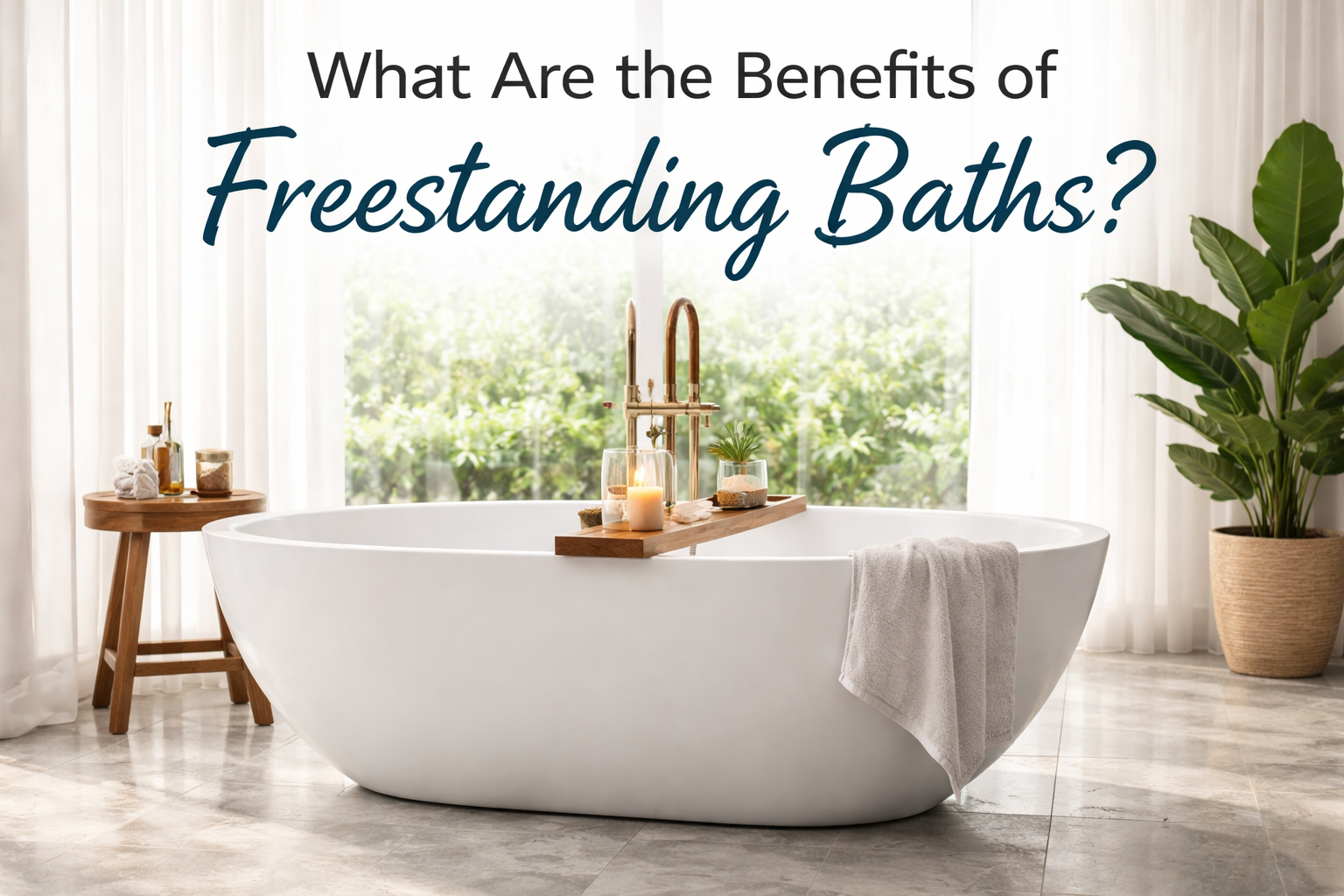
A freestanding bath is a bathtub that stands alone and is not attached to walls or enclosed within a built-in frame. Unlike traditional built-in or alcove baths, freestanding baths are fully finished on all sides. This means they can be placed anywhere in the bathroom, as long as plumbing access is available.
Freestanding baths are designed to be a focal point. They are often positioned in the center of the bathroom or placed near a feature wall or window. Because they are not boxed in, they create a sense of openness and elegance.
These baths come in many shapes and sizes, from sleek modern oval designs to classic clawfoot styles. Some have high backs for extra comfort, while others feature minimalist straight lines for a contemporary look. Their design flexibility makes them suitable for both modern and traditional bathrooms.

Aesthetic Appeal and Luxury Design
One of the main reasons homeowners choose freestanding baths is their strong visual appeal. They instantly make a bathroom look more stylish and sophisticated.
Statement Piece in the Bathroom
Freestanding baths act as a centerpiece. Instead of being hidden against a wall, they stand proudly in the space. This creates a luxury, spa-like atmosphere.
Many modern bathroom designs focus on creating a relaxing retreat at home. A freestanding bath adds that sense of calm and elegance. It transforms an ordinary bathroom into a high-end space that feels special.
Variety of Styles and Shapes
Freestanding baths come in a wide range of styles. Popular options include:
-
Modern oval tubs with smooth, curved edges
-
Classic clawfoot baths with vintage charm
-
Slipper baths with one raised end for added back support
-
Minimalist rectangular tubs for contemporary bathrooms
Because there are so many design options, it is easy to match a freestanding bath to your overall bathroom style. Whether your space is modern, rustic, or classic, there is a design that fits.
Flexible Placement Options
Another major benefit of freestanding baths is placement flexibility. Unlike built-in tubs, which must be installed against walls, freestanding baths offer more layout freedom.
Placement Anywhere in the Bathroom
Freestanding baths can be positioned:
-
In the center of the room
-
Near a large window
-
In a corner
-
Against a feature wall
This flexibility allows homeowners to create unique layouts. For example, placing the bath near a window can provide relaxing outdoor views during soaking. Positioning it centrally can create a luxury hotel-inspired look.

Ideal for Open and Large Bathrooms
Freestanding baths work especially well in larger bathrooms with open floor plans. They help fill empty space and create balance in the room
Comfort and Deep Soaking Experience
Beyond design and flexibility, one of the biggest benefits of freestanding baths is comfort. Many homeowners choose them because they provide a relaxing and enjoyable bathing experience.
Deeper and More Spacious Design
Freestanding baths are often deeper than standard built-in tubs. This allows for full-body immersion, which makes soaking more comfortable and therapeutic. A deeper tub helps keep your shoulders and chest warm while you relax.
Because these baths are not restricted by wall framing, many designs offer a more spacious interior. This gives you more room to stretch and move comfortably during your bath.
A deep soaking experience can help reduce stress, relax muscles, and improve overall well-being after a long day.
Ergonomic Shapes
Many freestanding baths are designed with comfort in mind. Some feature gently sloped backs that support your spine and neck. Others have raised ends that act as built-in backrests.
These ergonomic shapes allow you to lean back naturally without feeling uncomfortable. As a result, you can soak for longer periods without strain.
The combination of depth and ergonomic design makes freestanding baths ideal for people who value relaxation and comfort.
Easy Installation Compared to Built-In Baths
While freestanding baths look luxurious, many people are surprised to learn that they can be easier to install than built-in tubs.
Built-in baths require wall framing, tiling, and structural support. This can make installation more complex and time-consuming. In contrast, a freestanding bath is a standalone unit. Once plumbing connections are prepared, the tub is placed and connected.
This often reduces construction work during renovations. There is no need for additional tiling around the bath edges or building a surround structure.
However, proper plumbing placement is still important. The floor must support the bath’s weight, especially if it is made from heavier materials like stone or cast iron.
Overall, installation can be simpler and more flexible compared to traditional built-in baths.
Increases Property Value and Appeal
Freestanding baths are often associated with luxury homes and modern bathroom designs. Because of this, they can increase the overall appeal of your property.
Bathrooms play a major role in home value. A stylish, well-designed bathroom can make a strong impression on potential buyers. A freestanding bath adds a premium feel that many buyers find attractive.
It also signals thoughtful design and attention to detail. Even if buyers do not use the bath frequently, its presence can make the space feel more high-end.
For homeowners planning to sell in the future, investing in a freestanding bath can enhance both visual appeal and perceived property value.
Wide Range of Materials
Freestanding baths are available in a variety of materials, each offering different benefits in terms of durability, weight, appearance, and price. Choosing the right material depends on your budget, bathroom layout, and personal preference.
Acrylic
Acrylic is one of the most popular materials for freestanding baths. It is lightweight, affordable, and easy to install. Acrylic baths also retain heat well, helping to keep your water warm for longer.
Because acrylic is lighter than other materials, it is easier to transport and install. It is also available in many shapes and finishes, making it a versatile option for modern bathrooms.
Stone Resin
Stone resin baths offer a premium look and feel. They are made from a mixture of crushed stone and resin, giving them a solid and luxurious appearance.
These baths are durable and excellent at retaining heat. However, they are heavier and usually more expensive than acrylic options. Stone resin is ideal for homeowners who want a high-end finish.
Cast Iron
Cast iron freestanding baths are known for their durability and classic style. Many traditional clawfoot tubs are made from cast iron.
They are extremely strong and can last for decades. Cast iron also retains heat very well. However, these baths are heavy and require strong floor support. They are often more expensive and may require professional installation.
Each material has its own advantages, so it’s important to balance style, practicality, and budget when making a choice.
Easy Maintenance and Cleaning
Another benefit of freestanding baths is ease of cleaning. Because they are finished on all sides, you can access every part of the bath.
Unlike built-in tubs that are sealed against walls, freestanding baths allow you to clean around and behind them more easily. This reduces the risk of hidden dirt or mold buildup.
Many modern materials, such as acrylic and stone resin, have smooth surfaces that resist staining and are easy to wipe down. Regular cleaning with mild, non-abrasive cleaners helps maintain their shine and appearance.
Since there are no surrounding tiles or grout lines directly attached to the tub edges, there are fewer areas where moisture can accumulate. This can make maintenance simpler in the long run.
Freestanding Bath vs Built-In Bath
When deciding between a freestanding bath and a built-in bath, it’s important to understand the key differences.
Space Requirements
Freestanding baths generally require more open space around them. They work best in medium to large bathrooms where they can be displayed properly.
Built-in baths are more compact and can fit neatly into smaller bathrooms, especially in alcoves or corners.
Cost Comparison
Freestanding baths can sometimes cost more than built-in tubs, especially when made from premium materials like stone or cast iron. However, installation costs may be similar or even lower due to simpler structural requirements.
Built-in baths may require additional tiling and framing, which can increase overall renovation costs.
Installation Differences
Built-in baths must be installed against walls and enclosed within a structure. Freestanding baths require proper plumbing placement but do not need wall framing.
The choice depends on your bathroom size, layout, and design preference.
Also Read: What are Bathroom Vanities?
Are Freestanding Baths Worth It?
Many homeowners wonder if freestanding baths are truly worth the investment. The answer depends on your space, budget, and lifestyle.
If you value design and relaxation, a freestanding bath can be a great choice. It adds visual impact and creates a spa-like atmosphere in your bathroom. The deep soaking comfort and ergonomic shapes also improve the bathing experience.
However, freestanding baths are better suited to medium or large bathrooms. In small spaces, they may feel crowded and reduce movement around the room.
From a long-term perspective, freestanding baths can increase the perceived value of your home. They are often associated with luxury and modern design, which can appeal to potential buyers.
If your goal is comfort, style, and a high-end look, then a freestanding bath is often worth it.
Common Mistakes to Avoid
While freestanding baths offer many benefits, there are a few mistakes homeowners should avoid.
One common mistake is not measuring the bathroom space properly. Freestanding baths require enough room around them for cleaning and movement. Installing one in a small bathroom can make the space feel cramped.
Another mistake is ignoring the plumbing layout. Since freestanding baths can be placed away from walls, plumbing may need to be adjusted. Planning this early prevents costly changes later.
Choosing the wrong material is another issue. Heavy materials like cast iron or stone resin may require additional floor support. Always check structural requirements before installation.
By planning carefully and considering both design and practicality, you can avoid these common problems.
Conclusion
Understanding what are the benefits of freestanding baths helps homeowners make informed renovation decisions. These baths offer strong visual appeal, flexible placement, deep soaking comfort, and a luxury feel that enhances modern bathrooms.
They are available in a wide range of materials and styles, making it easy to match them with different interior designs. While they require careful planning and sufficient space, the overall benefits often outweigh the challenges.
If you want a bathroom that feels elegant, relaxing, and timeless, a freestanding bath can be a valuable and stylish investment for your home.
FAQs About Freestanding Baths
Do freestanding baths need special plumbing?
Freestanding baths may require floor-mounted or freestanding taps, depending on the design. Proper plumbing placement is important, especially if the bath is positioned away from walls.
Are freestanding baths hard to clean?
No, they are generally easy to clean because all sides are accessible. Regular wiping and mild cleaners are usually enough to maintain them.
Can you install a freestanding bath in a small bathroom?
It is possible, but space planning is essential. In very small bathrooms, a built-in bath may be more practical.
Are freestanding baths more expensive?
They can be more expensive than basic built-in tubs, especially if made from premium materials. However, they offer design value and visual appeal that many homeowners find worthwhile.